
An AI conference brings people together to discuss artificial intelligence. This guide explains conference formats, costs and how to choose a useful learning experience.
For a comparison of specific European events, go to Best AI Conferences in Europe 2027. For scale and audience fit, go to Major AI Events in Europe. This guide is about formats and how to choose, not about which event is best.
What is an AI conference?
An AI conference is a gathering, usually one to five days, dedicated to artificial intelligence and machine learning. The format ranges from peer-reviewed academic conferences where new research is presented, to large commercial expos where companies showcase products, to executive summits built around strategy and networking. Most events combine keynotes, panel discussions, technical sessions, an exhibition floor and structured networking.
The word choice matters. In practice, a "summit" usually signals a smaller, more executive- or invitation-driven format with curated networking, while a "conference" implies broader technical programming with parallel tracks, an expo floor and an open registration path. An "expo" puts the exhibition and product demonstrations front and centre. For a deeper definition of the executive format, see our guide on what is an AI summit.
People attend AI conferences to learn what is genuinely new, to meet potential collaborators, customers or investors, to recruit or be recruited, and to benchmark their own work against the state of the art. The biggest names, from research labs like Mistral AI and Hugging Face to the researchers and founders behind them, increasingly use these events to set the agenda for the year.
Why AI conferences matter now
AI conferences bring research, engineering and business communities together. As organisations investigate practical AI adoption, conference programmes provide a place to compare methods, discuss operating constraints and learn from practitioners.
For organisations, this makes choosing well more important than choosing often. A research scientist tracking generative AI and a CIO deploying enterprise AI or AI agents need very different rooms. The rest of this guide helps you find yours.
Types of AI conferences
Not all AI conferences serve the same audience. Understanding the four main types is the fastest way to find the right event and avoid paying for the wrong one.
1. Business & enterprise summits
These focus on applying AI in organisations: deployment, governance and practical case studies. The intended audience includes executives, heads of AI, and IT and product leaders. Check the actual programme and meeting access rather than assuming every summit provides the same experience. Compare specific events on the European conference comparison.
2. Developer & engineering conferences
Built for ML engineers, data scientists and software developers. Investigate the tools, architecture discussions and hands-on work in the programme, including prerequisites and whether workshops need separate registration. The engineering conference guide explains the technical format in more detail.
3. Research & academic conferences
These are where research is published and discussed. Look at the peer-review process, accepted papers, tutorials and workshops relevant to your topic. A strong match to your research question matters more than a general event label.
4. Tech expos & ecosystem events
Broad technology shows mix exhibitions, startups, investors and policy. AI may be one part of a wider programme. Check the relevant exhibitors and demonstrations, meeting access and practical distance between the sessions you want to attend.
Where to compare specific events
Use the European conference comparison for a shortlist, major European event formats for audience and scope, and the AI events calendar for dated editions and organiser sources. The worldwide summit guide covers the international summit question separately.
AI conferences by region
Use location as a planning constraint: travel time, visa requirements, working language, accommodation and the colleagues or partners you can meet. A regional label does not determine technical depth or business relevance. Check the dated calendar before booking and use AI Summits in Europe for the regional summit context.
How to choose the right AI conference
With so many AI conferences to pick from, the right choice comes down to matching the event to your objective, budget and stage. Work through these questions before you book.
For specific European events, continue with the conference comparison. Keep the choice tied to your objective, pass access and practical constraints.
If the audience and learning objective belong to your organisation, a public conference may be only part of the answer. Explore private AI events for companies for an internal summit, executive day or curated expert sessions designed around that audience.
Continue learning through Summit recordings
Check the available catalogue and access conditions for perspectives relevant to the questions raised in this guide.
Sources
How should I choose an AI conference?
Match the format to the decision or skill you need, then check the published programme and practical access.
| Your goal | Format to investigate | Evidence to look for |
|---|---|---|
| Build or evaluate an AI application | Engineering conference or hands-on workshop | Technical prerequisites, tools and worked examples |
| Review research | Academic conference | Accepted papers, tutorials and research workshops |
| Plan enterprise adoption | Business AI summit | Relevant cases, practitioners and governance discussion |
| Compare products and partners | Technology exhibition | Relevant exhibitors, demonstrations and meeting access |
| Investigate a company decision | Private executive briefing | A defined question, relevant expertise and a decision record |
Budget for the pass, travel, accommodation, preparation time and follow-up. Record what the pass includes, which sessions need separate booking and who owns the next action. Avoid converting a published marketing example into an expected financial result.
Use the European conference comparison, the dated calendar and the engineering guide to make a shortlist. For a specific leadership decision, explore a private briefing.
Continue the discussion
Join the 2027 waitlist. Connect this reading with the published Summit programme and available recordings.
Frequently asked questions
What are AI conferences?
An AI conference is an event, usually one to five days, dedicated to artificial intelligence and machine learning. It combines keynotes, technical sessions, an exhibition floor and networking. Formats range from peer-reviewed academic conferences to large commercial expos and executive summits.
Where can I compare specific European AI conferences?
Use the dedicated Best AI Conferences in Europe comparison for specific events, the Major AI Events in Europe guide for scale and audience fit, and the AI Events Calendar for dated editions and official sources. This page explains formats, costs and the selection process.
Are AI conferences worth it?
For most professionals, yes, provided you pick the right type. The value comes from concentrated learning, meeting collaborators, customers or investors, and benchmarking your work against the state of the art. The key is matching the event to your goal: a researcher and an enterprise buyer should attend very different conferences.
What is the difference between an AI summit and an AI conference?
A summit typically signals a smaller, more executive- or invitation-driven format built around strategy and curated networking. A conference usually means broader technical programming with parallel tracks, an exhibition floor and open registration. In everyday use the terms overlap.
How much do AI conferences cost?
Costs vary widely. Academic conferences and some virtual passes can be free or low-cost (NVIDIA GTC offers free virtual attendance). Flagship business summits and tech expos charge for tickets, with premium and networking passes costing more. Add travel and accommodation when budgeting for an international event.
How should enterprise leaders choose an AI conference format?
Start with the decision you need to make and the people you need to learn from. Check programme relevance, practitioner experience, session access and meeting arrangements. Use a specific event comparison only after those requirements are clear.
Change log
- — Separated format and budget guidance from event comparisons, removed the duplicate event shortlist and routed readers to the dedicated European pages.
- — Added the role-based selection matrix and budget checklist at #choose; retained existing URLs pending Search Console review.
Written by
- Guillaume RostandCEO, AI Summit Barcelona
Guillaume leads AI Summit Barcelona. His editorial work covers AI events and the European AI ecosystem.
- Tanguy WinckerCo-founder, AI Summit Barcelona
Tanguy is a co-founder of AI Summit Barcelona. His editorial work covers company programmes, event planning and the Barcelona ecosystem.
- Adam HruskaCo-founder, AI Summit Barcelona
Adam is a co-founder of AI Summit Barcelona and contributes to its guides on AI events and the European ecosystem.
Related reading
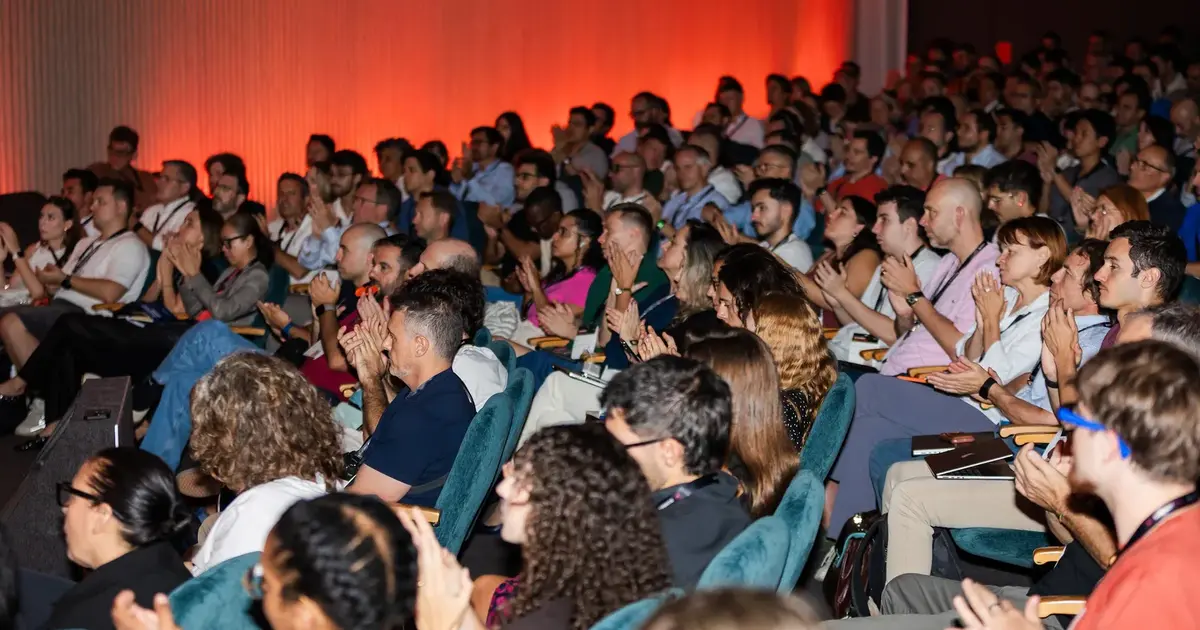
Best AI Conferences in Europe 2027
Compare events by focus, audience and the experience you are looking for. Review the selection criteria and check current details with the organiser before making plans.

Major AI Events in Europe: Formats and Audience Fit
Compare event scale using dated attendance references and clear definitions. Separate general technology festivals from dedicated AI gatherings, then weigh audience size alongside the learning and conversations you need.
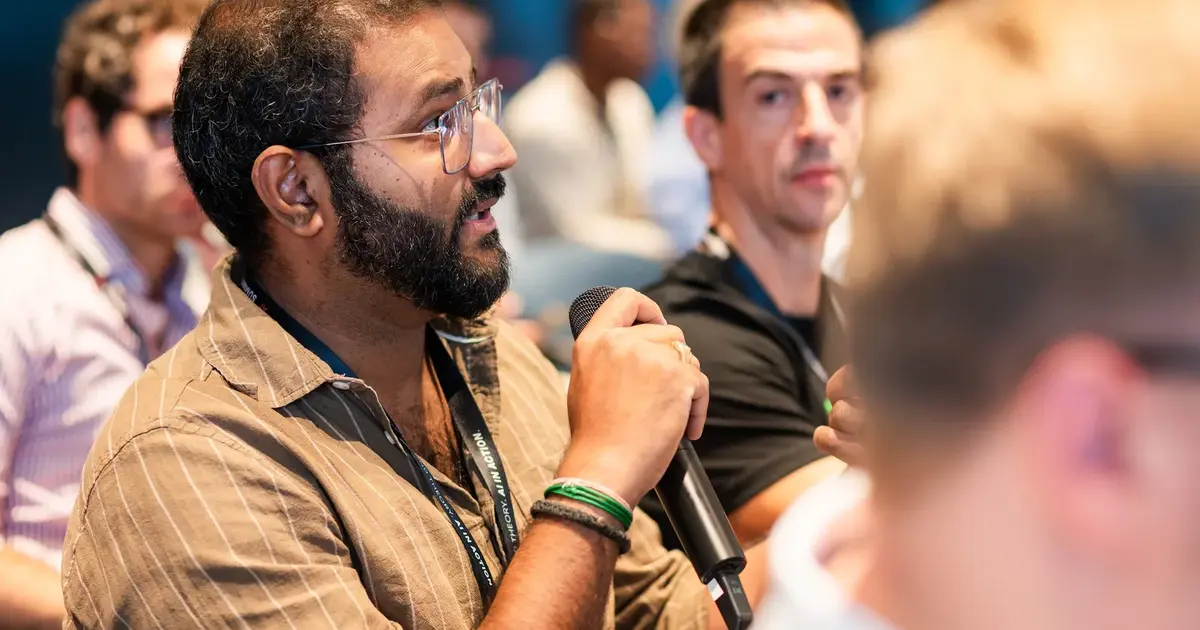
How to Choose an AI Conference for Your Role
Start with your role, objective and available time. Use the guide to make your selection more deliberate and to discuss what a useful visit would look like with colleagues.