The full
Two days, every stage. Search by topic, speaker or company, filter by stage, type and track, and tap any session for the full description and speakers.
Not sure what a Debate or a Use Case involves? Read what each session format is, or see every stage and how many seats each one holds.
Tuesday 22 September
- 09:30 – 09:50KeynoteMain StageAI For Tomorrow
Opening Session - Catalunya 2030: A €1 Billion Bet on AI
In this session, Albert Tort, Secretary of Telecommunications and Digital Transformation of the Generalitat de Catalunya, and Maria Galindo, Secretary for Digital Policies of the Government of Catalonia, will explain Catalunya's plan to invest €1 billion in artificial intelligence by 2030 — and what it means for everyone building AI from Barcelona. They will break down where the money goes first: sovereign public cloud, chip and supercomputing infrastructure, AI talent programs, and a public administration rebuilt around AI. Expect a concrete view of how startups, enterprises and researchers can plug into the strategy — and why Catalunya intends to become the place where European AI gets built.
Albert Tort Pugibet, Maria Galindo Garcia-Delgado

- 10:00 – 10:25DemoDemo RoomAI For Builders
Demo 1 - A look inside how OpenAI’s Forward Deployed Engineers are automating their own work, building agents that execute at scale and learn from experience
A look inside a Forward Deployed Engineering project building a tax AI system, where production traces become evaluations and coding agents turn observed failures into tested improvements.
Ilyass El Mansouri
- 10:00 – 10:40PanelPanel StageAI For Today
Panel 1 - Beyond the Pilot: Making Enterprise AI Pay Off
79% of enterprises struggle to turn AI investment into value — yet the winners report 5-10x returns. Leaders from global enterprises on what separates pilots that die from AI that pays.
Juan Reyes, Steve Hines +2 more



- 10:00 – 10:15KeynoteAuditorium StageAI For Builders
Keynote 2 - The Hidden Blockers to Autonomous Operations
Autonomous AI agents promise to revolutionize enterprise operations, moving beyond simple chat interfaces to execute complex, multi-step business workflows. Yet, despite massive investments in state-of-the-art LLMs, most enterprise agent pilots hit a hard wall when deployed into real-world operational environments. They loop endlessly, act on stale batch data, bypass security controls, or trigger cascade failures across critical backend systems. The problem isn't the intelligence of the model; it's the fragmentation of the underlying enterprise architecture. In this session, Avinash Jha explores why autonomous agents collapse without a Unified Information Fabric. Drawing from real-world enterprise failure modes, this talk breaks down the critical infrastructure gaps, from legacy API boundaries to unmonitored tool execution and presents a pragmatic blueprint for bridging AI reasoning with enterprise execution. Key Takeaways: The Enterprise Integration Gap: Why traditional, deterministic API gateways fail when handling non-deterministic, agentic execution loops and dynamic prompt streams. The Three-Tier Gateway Topology: How to complement existing API Gateways with AI/LLM Gateways (for model routing, streaming, and token cost controls) and MCP Gateways (for agent tool discovery, runtime context, and kill-switch governance). Zero-Trust Identity for Agents: How to replace high-privilege service accounts with task-scoped, short-lived cryptographic tokens to prevent runaway agent actions. The Unified Fabric Blueprint: A step-by-step architectural framework to connect real-time event streams, model context protocols, and legacy systems of record into a resilient foundation for autonomous operations.
Avinash Jha
- 10:00 – 11:20WorkshopWorkshop Room AAI For Tech
Workshop 1 - The Ultra-Scale Talk: Scaling Training to Thousands of GPUs
Training large language models demands more than raw compute. it requires a deep understanding of parallelism and architecture choices. This talk dives into the practicalities of ultra-scale training: how 5D parallelism makes it possible to stretch a single run across massive GPU clusters, how Mixture-of-Experts architectures introduce new scaling dimensions and stability challenges, and the performance tuning and communication patterns that drive throughput. Drawing from the Ultra-Scale Playbook and real-world scaling efforts, we'll cover benchmarks, hard-earned lessons, and hands-on recommendations for engineers and researchers ready to train state-of-the-art models efficiently!
Nouamane Tazi
- 10:00 – 10:15KeynoteMain StageAI Foundations
Keynote 1 - Hacking and Cybersecurity in the age of AI
AI has changed dramatically many areas. Cybersecurity is one of them. Searching, exploiting and patching vulns or managing cybersecurity is completely related to AI, but at the same time AI Digital Services and Agentic AI are bringing new set of vulnerabilities, therefore exploiting AI and securing AI is a new task that is changing dramatically the way CISOs manage the hardening of the systems. It's crazy moment for cybersecurity because of IA. Come to enjoy a talk about this brave new world.
Chema Alonso
- 10:00 – 11:20WorkshopWorkshop Room BAI Foundations
Workshop 2 - When code is cheap, governance is the hard part
The Challenge Code generation is close to free now. Review, sign-off, and audit are not, and that gap lands squarely on engineering leaders. In this session, I'll show you where AI-generated changes actually fail before production, and how automated checks and audit trails hold humans and AI to the same standard without slowing releases. What You'll Do & Take Away Hands-on from minute five, you will take a repository, ask an AI agent to change it, and close the loop. You'll put your standards where the agent reads them by wiring a live rules check into the agent's own turn over MCP, making it fix its own violations before the code reaches you. By the end, you leave with a working repository, the configuration, and a reusable skill running on the AI coding tool of your choice. Who Should Attend Anyone who writes code with an AI tool, and anyone who has to sign it off. What to Bring & How to Prepare Primary Setup: Bring a laptop with a browser and a free GitHub account. The repository opens directly in GitHub Codespaces, so there is nothing to install, and a free AI coding account is enough for every task. Power Users: If you already use Claude Code, Cursor, Codex, Windsurf, Replit, or another MCP client, feel free to bring that instead. No Laptop? No Problem: Every step is demonstrated live on screen, and pairing with the person next to you works fine. The repository stays public so you can redo everything afterwards on your own time.
Albert Franquesa
- 10:20 – 10:35Fireside chatMain StageAI For Today
Fireside Chat: Applied AI in Practice: Anthropic’s Plans for Spain
Fireside chat with Julia Hernandez, Member of Technical Staff, Applied AI, Spain at Anthropic. A conversation about deploying Claude in businesses and Anthropic’s plans for the Spanish AI ecosystem.
Cathy White, Julia Hernandez

- 10:20 – 10:35KeynoteAuditorium StageAI For Tech
Keynote 4 - Gen AI: Myths and Reality
Despite what you might think from reading the news since late 2022, Artificial Intelligence did not appear with ChatGPT. This "Revolution" is merely the fruit of a long maturation, spanning several decades. After a brief historical review, we'll delve into these new AIs, the Generative AIs. We'll look at their limits and potential, and how they can be used for good or ill. Finally, we'll try to understand what the prospects are for us, humans, and for these technologies.
Luc JULIA
- 10:30 – 10:55DemoDemo RoomAI For Tomorrow
Demo 2 - Satellites, Planes, Trains: Why Hardware's Cursor Moment Just Started
Claude and Cursor are already transforming how software is written: accelerating development, augmenting engineers, and collapsing the gap between idea and implementation. Hardware is next. I'd like to talk about how AI-augmented systems engineering will do for complex physical systems design (satellites, airplanes, trains) what these tools are doing for code: turning months of fragmented, document-heavy engineering work into a fluid, intelligent process. This isn't speculative: the foundations are being built now. At Systellar, we've developed Synapse™ specifically to bring AI into the core of how complex hardware programs are designed, traced, and validated. My talk will explore what this transformation looks like, why hardware has been harder to crack than software, and what the future of engineering looks like when AI becomes a genuine design partner and, eventually, completely transforms the industry into an agentic one.
Alexandre Gol i Mestre
- 10:40 – 10:55Fireside chatMain StageAI For Growth
Fireside Chat with Blackrock
Martin C. Syms, Managing Director and International Head of BlackRock's Aladdin Engineering Group, in conversation with Cathy White on where AI actually creates value in finance. Trusted data as the foundation of sustainable AI business models. AI that cuts complexity and speeds up decisions without replacing human judgment. Why the strongest opportunities come from embedding AI into existing platforms and connecting workflows and data across public and private markets, and why, as models become a commodity, the advantage shifts to trusted ecosystems and platform integration.
Martin C. Syms, Cathy White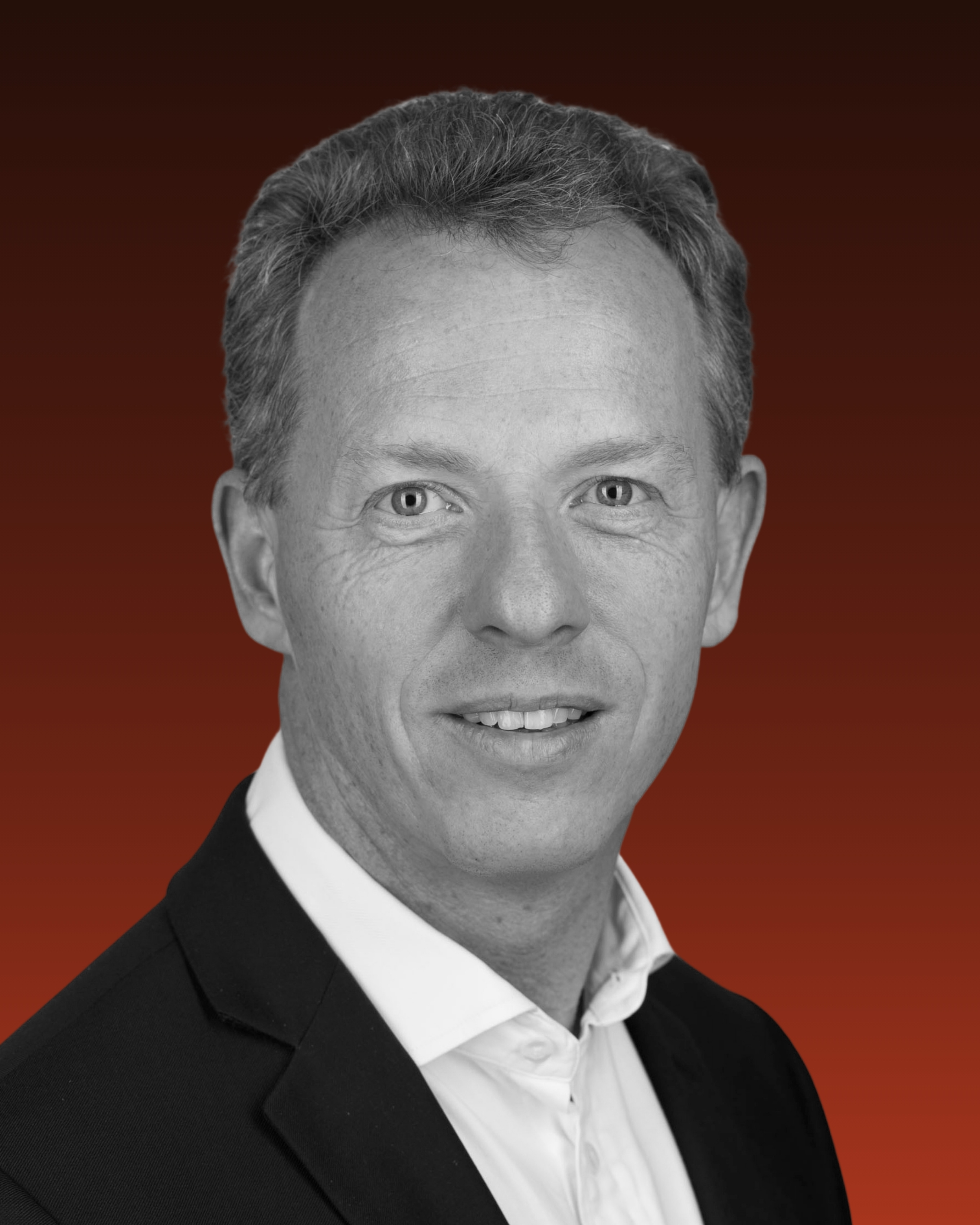
- 10:40 – 10:55KeynoteAuditorium StageAI For Today
Keynote 6 - Moving beyond Productivity: How Enterprise AI Creates Organizational Impact at Scale
AI is taking hold in the enterprise — and yet many organizations are still waiting for the payoff. The tools are powerful. The potential is real. But something fundamental is missing between individual productivity and lasting organizational impact. In this session, we explore some of the challenges and dive into three concrete themes that shape the next chapter of enterprise AI: how generative UI shifts enterprise software from navigation to intent; how company memory grounds agents in organizational context; and how tabular AI democratizes business predictions. Actionable, opinionated and anchored in product truth.
Florian Kunzke
- 10:45 – 11:25PanelPanel StageAI For Tomorrow
Panel 2 - Rebuilding the Org Chart: What Actually Breaks When Enterprises Restructure Around AI
Every enterprise AI rollout eventually stops being a technology project and becomes an org design problem. Job descriptions written for execution, teams built around headcount, managers measured on output that agents now produce. This panel goes at the structural rebuild: which roles get redrawn, where the reporting lines break, what upskilling actually costs, and why leadership readiness fails before the tooling does. Enterprise transformation leads and an operator scaling a company through it, on what they had to dismantle before anything worked.
Zakaria Mansour, Malgorzata Luszkiewicz +3 more


 +1
+1 - 11:00 – 11:15Fireside chatAuditorium StageAI For Growth
Fireside Chat - Building with AI in Fintech: Velocity, Control, and Resilience
A conversation on how Belvo is applying AI while operating in a regulated financial environment. We’ll explore how teams balance speed with secure engineering practices, adapt to constantly changing data sources, and set safe boundaries for increasingly autonomous systems.
Paul Tremblot, Caio Zanolla

- 11:00 – 11:15KeynoteMain StageAI For Builders
Keynote 7 - The art of the possible: Agentic AI, by Google Cloud
Concrete case studies highlighting what is viable today versus what is emerging over the next 12–18 months.
Pablo Rodriguez
- 11:00 – 11:25DemoDemo RoomAI For Tech
Demo 3 - DXC CoreIQ: Applying AI to Mainframe Legacy at Massive Scale
Mainframes still run the world's critical transaction systems, but the COBOL and assembler underneath are becoming lost knowledge. DXC CoreIQ turns a multi-million-line legacy codebase into a live knowledge base — continuously updated code-understanding graphs navigated by AI agents, with every answer traceable back to source. Live demo: AI agents running impact analysis for a new feature across the full estate, and an AI agent working a real mainframe through a 3270 terminal.
Aleksandr Ostapenko
- 11:20 – 11:35KeynoteMain StageAI For Today
Keynote 9 - The Enterprise AI 'No Man's Land': Who Takes the Ground and Who Holds It?
Enterprise AI has an agentic no man's land, the empty ground between what the AI labs and tech vendors ship and how fast enterprises can consume and scale it. Everyone is racing for that ground: vendors push to embed their tech, enterprises pull to stay ahead of rivals, and the CFO wants real bottom line ROI. Why it still takes time to embed AI is complex, but it is no longer the technology alone. It is people. This talk argues the answer already exists. Someone takes the ground. Someone holds it. Who, and how.
Mark Hill, Juan Buero

- 11:20 – 11:35KeynoteAuditorium StageAI For Good
Keynote 10 - Human-Centric AI: Navigating the Risks, Opportunities and Unintended Consequences
AI is transforming every industry, every profession and every aspect of society. But alongside unprecedented opportunity come profound risks and unintended consequences. This talk will explore both sides of the AI revolution... from innovation, productivity and economic growth to job displacement, existential risks, misinformation, cybersecurity threats and the future of human relevance.
Nicky Verd
- 11:30 – 12:10PanelPanel StageAI Foundations
Panel 3 – AI Act × AI Value Chain and Governance
The AI Act is not one obligation, it's a chain of them, and everyone in the chain is writing contracts to push them downstream. Then Article 25 reshuffles the deck: rebrand a system, modify it, or change what it's for, and you become the provider. Lawyers and governance leads on where liability actually lands between model providers, integrators and deployers, where the regulation is clear, and where it leaves you carrying risk you never priced.
Philippe Sigal, Laura Gilbert +3 more


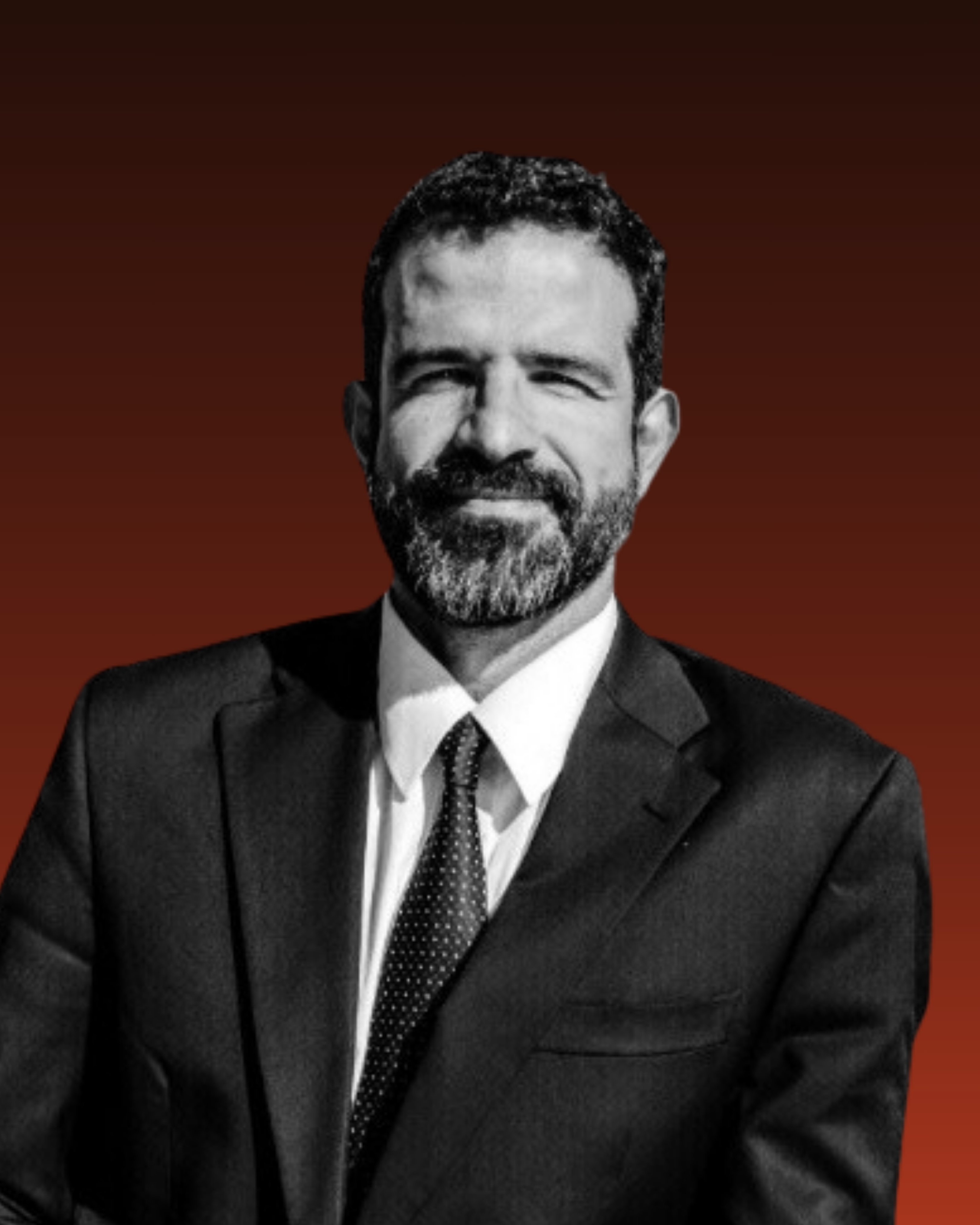 +1
+1 - 11:30 – 11:55DemoDemo RoomAI For Builders
Demo 4 - I Built Autonomous GTM Engines - So Can You.
Most companies bolt AI onto their old GTM playbook. It never gets them there. The modern GTM stack is one engine. Your data and your know-how feed one shared brain, the brain powers the apps your team uses every day, a human checks anything important before it goes out. Chaos in, playbooks out. In this live session, David Arnoux walks through how he builds this inside real companies, from B2B software scale-ups to consumer brands. What you'll take away What a GTM OS actually is, and why bolting AI onto the old playbook fails, The core components of the engine: signals, workflows, agents and reporting in one shared brain, How the engine progresses from reactive → proactive → autonomous Real builds from both worlds. A €2.5B B2B software company and consumer brands running programmatic SEO at 12,000+ pages What it takes to build a GTM OS inside your company in days, not months, and why roughly 80% of each new build carries over to the next.
David Arnoux
- 11:30 – 12:30Sponsor SessionsSponsor Rooms
Deploying AI Across the Workforce with Gemini Enterprise, by Google Cloud
Move beyond passive search and rigid assistants. In this session, you will discover how any employee can build custom AI agents, automate workflows across your existing stack, and establish the governance layer needed to scale securely across the organization with Gemini Enterprise
- 11:30 – 12:50WorkshopWorkshop Room AAI For Builders
Workshop 3 - Why and how to build a personal brand on LinkedIn with AI, the right way (one of the few moats left)
AI made building things easy. So, what's actually left to compete on? This session argues it's brand, trust, and human relationships. Three things AI can't clone from a screenshot, and all three take time to build. Google's Zero Moment of Truth research points to 7 hours and 11 touch points before someone trusts you enough to buy. In this session, we break down what that looks like in B2B today, and we zoom in on LinkedIn specifically. Give AI the right context, and it can actually help you build brand, trust, and relationships. Skip that step and you get slop. We'll build the context live, on stage, with a volunteer from the audience. One person, their real business. Jacob Zangel and Charlie Hills dig into who they are, what they stand for, their ICP, and what actually sets them apart from the competition. Only once that's on the table does AI get involved in helping them create content for LinkedIn. We might even create a post (or two), live. You leave knowing what you need to feed AI so it can actually help you, instead of handing you slop. ⚠️ Important! Who is this for? B2B founders, execs, marketers, and builders already posting on LinkedIn consistently, at least once or twice a week over the past few months. You want to see how Charlie Hills grew a following of 250K+ on LinkedIn, 70K newsletter subscribers, and over 100M organic lifetime impressions. We'll show you all the different parts of his LinkedIn AI OS, and demonstrate live how some of the core parts actually work. If you're not posting yet, or not posting consistently, this session won't be the best use of your time. What you'll walk away with: → The few moats left in B2B, and why building a personal brand is the one you can start on Monday → The 2026 B2B buying math: why "88 touches across 10 stakeholders" replaced the old advice to just be everywhere, and what that means for your content plan → The context that makes AI useful, not slop: watch us pull it out of a volunteer live, ICP, positioning, differentiation, before we start creating any content with AI
Jacob Zangel, Charlie Hills

- 11:30 – 12:50WorkshopWorkshop Room BAI For Today
Workshop 4 - Give Your Product a Voice — Build a Live AI Voice Agent in 60 Minutes
Everyone's talking about voice AI. In this room, you'll actually ship one. Roshan and Barbara will get you from a blank screen to a working, talking AI agent that can hold a real phone conversation, before the coffee break ends. You'll design its personality, wire up its brain (LLM), give it ears and a mouth (speech-to-text and text-to-speech), and connect it to a real tool so it does more than chat, it acts. Bring a laptop and an idea. Leave with a deployed agent, a live phone number, and the know-how to build the next one yourself. What you'll walk away with: • A working voice agent you built yourself, live • A mental model for the voice AI stack (STT → LLM → TTS → tools) and where the real engineering challenges hide (latency, interruption handling, tool-calling reliability) • The gap between a slick demo and something that survives a real caller — the practical lessons Vapi's forward-deployed engineers see across production deployments Best for: builders, PMs, and founders who want to stop reading about voice AI and start shipping it. No ML background required — bring curiosity and a laptop.
Roshan Manjaly, Barbara Stanelli

- 11:40 – 11:55KeynoteMain StageAI For Builders
Keynote 11 - The AI Advantage Isn’t Individual: Why the biggest gains will come from rethinking how teams work together.
AI has transformed what one person can do. But building great products has always been a team sport. In this talk, Rory Keddie from Miro explores how product teams are adapting - moving from fragmented AI usage to collaborative, agent-powered workflows. Using real examples from Miro, he’ll show how teams are rethinking how they work, build, and learn together. And why, despite all the change, the fundamentals still win: strong culture, good judgement, and the environments that help teams learn faster.
Rory Keddie
- 11:40 – 11:55KeynoteAuditorium StageAI For Tech
Keynote 12 - The Intelligence You Own: Why the winning AI companies rent, route and build
The smartest AI companies aren’t betting on a single model. They’re combining frontier intelligence with specialized models built around their own workflows, data and feedback. This talk explores when to rent, route or build. And why lasting advantage comes from the intelligence your business learns to own.
Jaime De Mora
- 12:00 – 12:20KeynoteMain StageAI For Today
Keynote 13 - The Port of Barcelona: A Toolbox to Develop Your AI Projects
The Port of Barcelona, as one of the most innovative ports in Europe, has put in place a series of tools that will help you to develop your innovative projects. Such tools include: Open data research 5G standalone net Sandbox Agreements with BSC and AI factory …. Learn how your company and your project can benefit from such an infrastructure which is there to help you scale your business faster and further. Learn about the latest AI projects that The Port of Barcelona is undertaking.
David Serral
- 12:00 – 12:25DemoDemo RoomAI For Tech
Demo 5 - INNOVERA: the simulation engine for decision making optimization
Learn how a x4 Unicorn founder is building a powerful AI simulation engine to drive growth initiatives to success for the largest enterprises.
Kamran Elahian
- 12:00 – 12:55DebateAuditorium StageAI For Builders
Debate 1 — Agents: The Real Platform Shift, or 2026's Most Overhyped Demo?
Every deck in 2026 says 'agentic.' Most agents still break the moment they touch a real workflow. Side A: agents are the genuine platform shift — the jump from copilots that suggest to systems that actually do the work, and the teams already shipping them in production are pulling ahead. Side B: 'agentic' is this cycle's most oversold demo — brittle, expensive, badly governed, a thin wrapper over the same models we already had. 55 minutes, two builders, one moderator who has actually run agents in prod, and an audience vote before and after.
Damien Acheson, Maanas Mediratta +5 more

 +3
+3 - 12:15 – 12:55PanelPanel StageAI For Today
Panel 4 - When AI Checks In: Travel & Hospitality's Real Use Cases
Travel is quietly one of AI's biggest proving grounds — agentic trip planning, dynamic pricing, AI concierge, and the booking that happens without a human ever opening a tab. In one of Europe's most-visited cities, the people running it share what's actually live versus what's still a demo, and where AI breaks when a real traveler is involved.
Danica Smith, Joan Salvatella +2 more



- 12:20 – 12:35KeynoteMain StageAI For Tech
Keynote 14 - AI, Rewired: Building Edge Intelligence That Adapts, Distributes and Acts
This session explores how to overcome static model limits by deploying adaptive, high-performance edge intelligence on resource-constrained devices. We present a full-stack co-design framework combining conditional fine-tuning (IGU-LoRA), advanced quantization (L4Q), and RL-driven orchestration across heterogeneous silicon (CPU, GPU, and NPU). Learn how deployment-aware architectures like CoA-LoRA solve critical battery, thermal, and memory bandwidth constraints in real time. Discover how this technology powers the next wave of AI PCs to deliver seamless, low-latency agentic experiences directly on the device.
Jordina Torrents Barrena
- 12:30 – 12:55DemoDemo RoomAI For Tomorrow
Demo 6 - Turn inbound demand into revenue, autonomously
Live on stage: an autonomous sales agent built in minutes, a real inbound call, a closed sale — and one deterministic outcome you pay for.
Alex Bisbe
- 12:40 – 12:55KeynoteMain StageAI For Growth
Keynote 15 - Startup Scaling & Fundraising
To be announced...
Howard Wright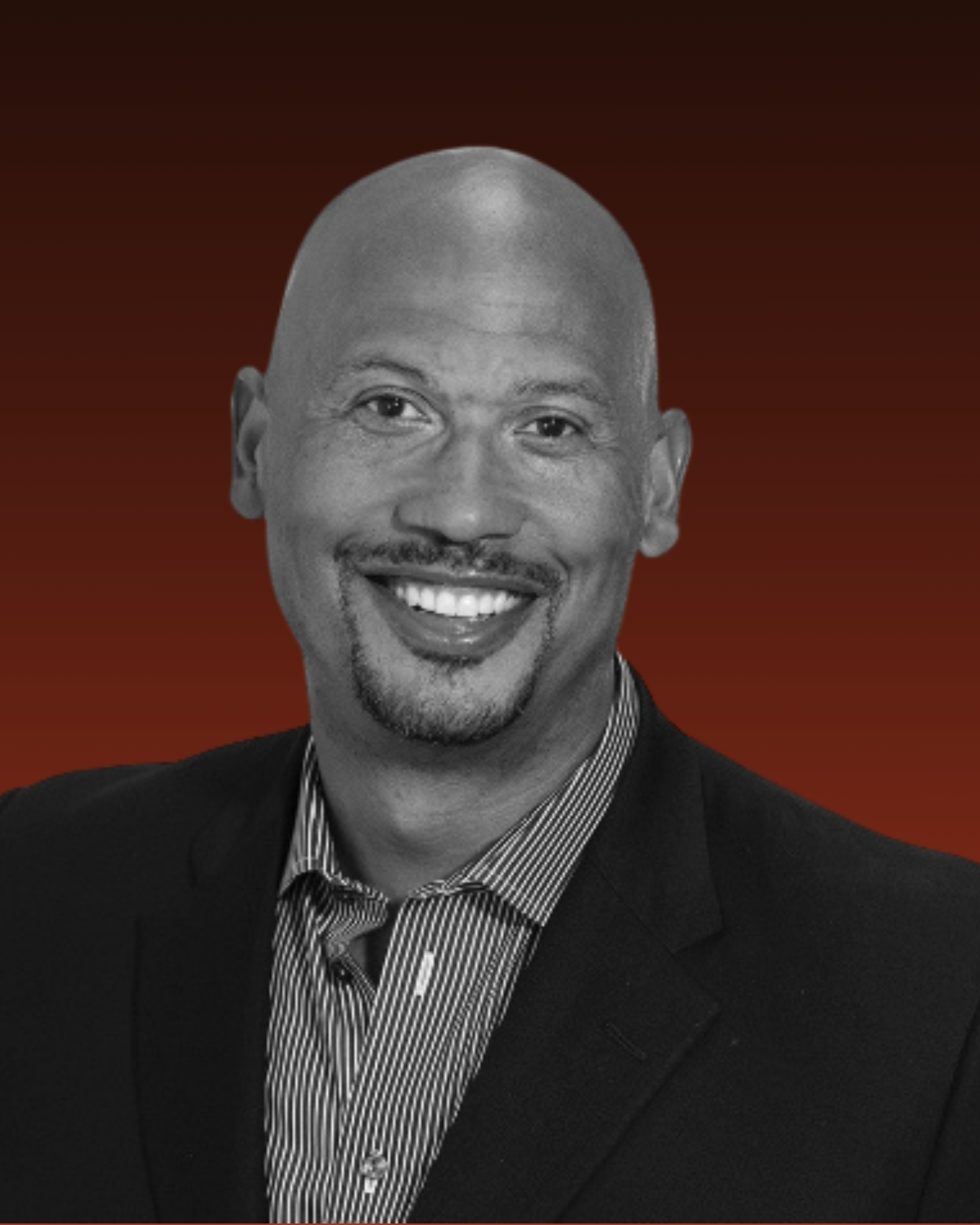
- 13:00 – 13:20KeynoteMain StageAI For Tomorrow
Keynote 16 - Learning Is the New Infrastructure. Most Companies Haven't Built It Yet.
Most AI workforce transformations fail not because of the technology, but because organisations cannot absorb change at speed. Christian Rebernik draws on 25 years of building at scale, as CTO and Managing Director at N26, founder of the digital health platform Vivy, and cofounder of Tomorrow University of Applied Sciences, to argue that learning is the defining infrastructure challenge of the AI era. Every company has rolled out AI. Almost none have changed how they work. This session gives CEOs, CHROs and anyone deploying AI inside an organisation a concrete framework: what a learning organisation actually looks like, why training programmes structurally cannot deliver it, and the three conditions that separate organisations that absorb change from those that only announce it. Using Tomorrow University as a live case study, Christian shows what this looks like in practice, and the one question leaders can ask their own teams this week.
Christian Rebernik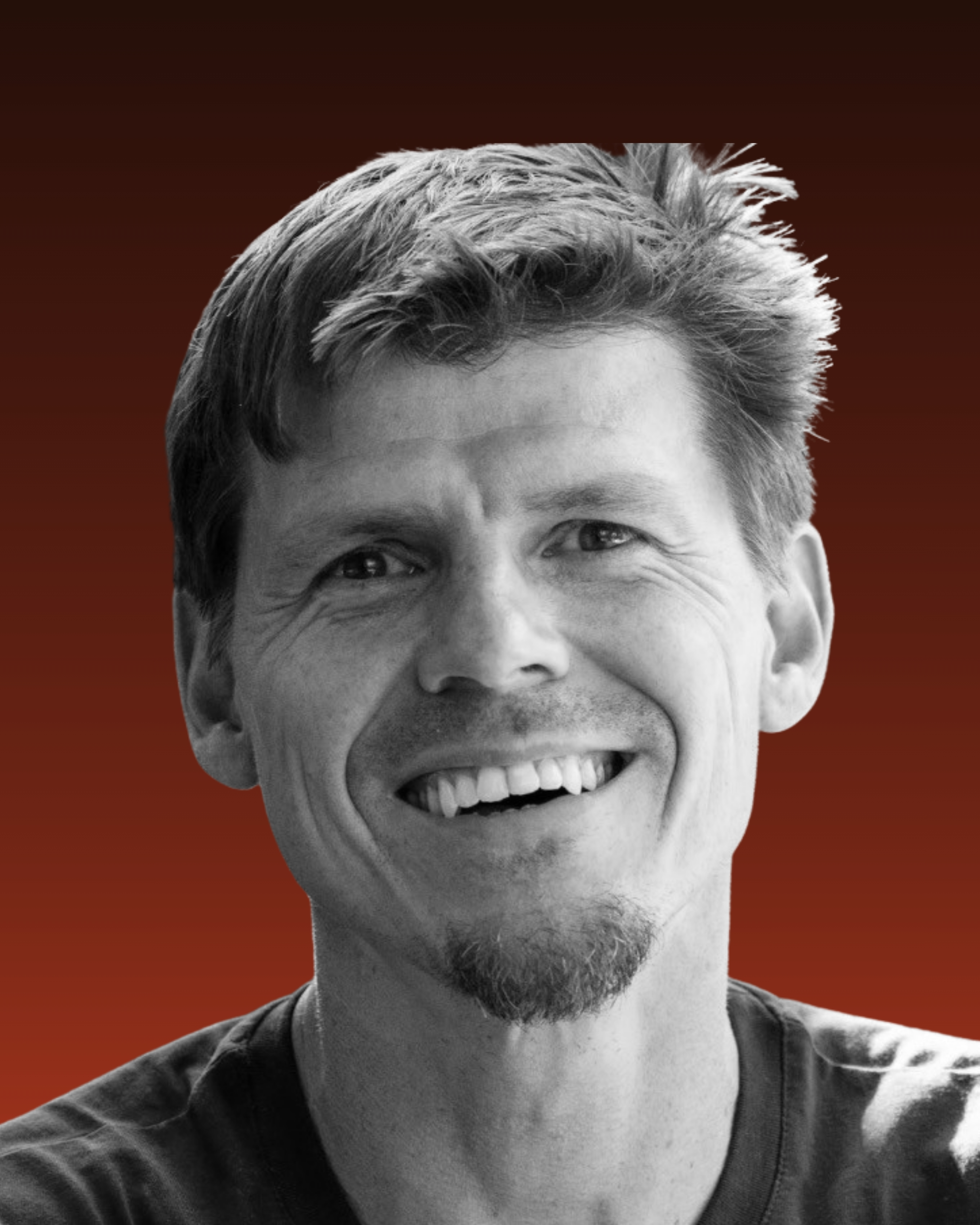
- 13:00 – 13:15KeynoteAuditorium StageAI For Builders
Keynote 17 - The Infinite Remix
What happens to the value of a website, a product, or even a song, when generating another version becomes almost effortless? Sadek Drobi (Founder & CEO, Prismic) follows that question from an AI music experiment into the way Prismic is building products and autonomous loops. The answer is not to generate more stuff, but to define what must survive every regeneration: your intent, opinions, goals and understanding of your community. Companies that capture these with enough depth won’t just keep pace with the models, they’ll evolve alongside them.
Sadek Drobi
- 13:00 – 13:40PanelPanel StageAI For Growth
Panel 5 - Strategic Money: How Corporates Really Invest in AI Startups
Corporate venture money isn't chasing the same thing as a fund. A strategic investor wants synergy, access, and an eventual seat at the table, not just a return. This panel brings together the people who sit between corporates and startups to unpack how strategic AI investments and partnerships actually get picked, structured and managed: what a corporate is really underwriting beyond the cap table, where that clashes with how independent VCs think, and what founders get wrong pitching a corporate as if it were a fund. Built for founders courting strategic capital and for anyone trying to understand how big companies actually move on AI.
Darrell Etherington, Carla Carvajal +3 more


 +1
+1 - 13:00 – 13:25DemoDemo RoomAI For Tech
Demo 7 - Sentiment Analysis using Databricks AI Functions
The Business Challenge: Exploring how modern organizations effectively monitor live brand sentiment, emerging trends, and customer reactions across high-velocity social platforms. Streaming Architecture: A comprehensive walkthrough of a robust, cloud-native architecture using Azure Databricks, Event Hubs, and Unity Catalog for secure and scalable data ingestion. LLM-Powered Enrichment: Demonstrating how to democratize AI by using built-in Databricks SQL AI functions (such as ai_analyze_sentiment, ai_extract, and ai_classify) to process unstructured text without complex Python ML frameworks. End-to-End Execution: Showcasing the full data lifecycle—from ingesting live social content and storing it efficiently in Delta Lake, to visualizing the enriched results through Databricks AI/BI dashboards. Conversational Analytics: Highlighting Databricks Genie to show how business users can interact with the analyzed data using natural language to uncover deeper, on-the-fly insights.
Raghav Matta
- 13:20 – 13:35KeynoteAuditorium StageAI For Tech
Keynote 19 - Software Factories, Mastra, and the Future of Agents
From Spotify’s Honk to Stripe’s Minions, agents are shipping real software, and Mastra Factory is already writing 25–35% of Mastra’s pull requests and closing 50–60% of its issues. We’ll show you how we built our software factory, what we learned along the way, and how we open-sourced it so you can build your own.
Alex Booker
- 13:20 – 13:40KeynoteMain StageAI For Today
Keynote 18 - The AI Operating Model Advantage: Why Winning with AI Requires Rewiring the Organization
AI is everywhere, but enterprise-wide impact remains elusive. The reason is increasingly clear: most companies are putting powerful new technology into organizations designed for a pre-AI world. They automate tasks, add copilots and deploy agents, while leaving the underlying workflows, decision rights and management structures largely untouched. The next wave of AI value will come from changing that. For industrial companies in particular, AI creates an opportunity to rethink not only individual tasks, but how expertise, decisions and work flow across the enterprise. This session will explore why AI winners are moving beyond productivity to redesign their operating models around AI: concentrating on the few domains where AI can create strategic advantage, rewiring end-to-end workflows rather than bolting AI onto existing processes, and building organizations in which humans and AI agents work together at a fundamentally different speed and scale.
Steffen Fuchs
- 13:30 – 14:50WorkshopWorkshop Room BAI For Tomorrow
Workshop 6 - The Human Side of AI Transformation
Everyone is talking about what AI can do. Nobody is asking what humans need to become. This workshop introduces Human Literacy — the missing half of every AI strategy. Drawing from original research, senior tech leader interviews, and 15 years decoding human behaviour in the attention economy. Because the organizations that win the AI era won't have the best models. They'll have the most human-literate people running them. The future of AI is human.
Roberta Scrofani
- 13:30 – 14:50WorkshopWorkshop Room AAI For Good
Workshop 5 - ESG Standards Mapping with Claude
Stop Manual ESG Reporting Work: Build Your Al Assistant with Claude: - Learn how to build an ESG Standards Mapping Agent to save hours of manual work. - Instantly analyze ESG reports for framework interoperability mapping (ESRS, IFRS, SBTi). - Navigate interactive analysis artifacts, and learn to generate shareable dashboards to present critical insights and data-driven gaps to your stakeholders.
Javo Granda, Antonio Morales

- 13:30 – 13:55DemoDemo RoomAI For Good
Demo 8 - AI Is Moving Faster Than Your Workforce
Every organisation is investing in AI. Far fewer know whether their people have the skills to turn that investment into performance. In this live demo, Vanessa Wainwright reveals how Abodoo’s skills-intelligence platform makes workforce capability visible—identifying emerging skills, exposing critical gaps and creating personalised pathways for people to develop and move. Every attendee will also receive a complimentary AI Skills ROI Snapshot for their organisation—revealing where hidden skills gaps may be limiting the return on their AI investment. Discover the missing intelligence layer connecting AI strategy, human potential and measurable business growth. Attend the live demo and claim your complimentary AI Skills ROI Snapshot.
Vanessa Wainwright
- 13:40 – 14:15KeynoteAuditorium Stage
Keynote 21 - The magic of turning human brainwaves into art with AI
Artists Ferdi Alici and Phoebe Violett explore the fascinating intersection of brain-computer interfaces, AI and creativity — and show how AI could unlock new artistic worlds around and within us.
Ferdi Alici
- 13:40 – 13:55KeynoteMain StageAI For Today
Keynote 20 - Train Once, Recommend Forever: Recsys for an Ever-Growing Catalog
Modern consumer products all share one trait: their catalog never stops growing. Streaming platforms, news feeds, marketplaces — new titles, articles, and listings arrive every day, and users expect to see them in their recommendations right away. But recommender systems learn exclusively from past user interactions, so an item that just arrived, with no interaction history yet, is invisible to them by design. The traditional fix is to retrain continuously — and that's exactly the trap: it couples what a system can recommend to when it was last trained. In this talk we follow the paradigm shift now reshaping recommender systems: decoupling a model's training from what it's allowed to recommend. Starting from the transformers that power modern discovery, we show why they cannot represent new items, how content embeddings almost solve the problem — and where they fall short — and how the approach we built at Albatross and run in production behind every feed, closes the gap: new items recommendable within minutes, retraining almost never, and quality above the ID-based baseline. Everything backed by production-scale experiments.
Matteo Ruffini
- 14:00 – 14:25Use CaseMain StageAI For Today
Use Case 1 - Product Discovery is finally solved: Introducing Perception Models
Large marketplaces and ecommerce have a discovery problem that traditional recommendation systems were not built to solve: every item is unique, catalogs change rapidly, and metadata is inconsistent. Hundreds of thousands of new listings enter the catalog every day with no impressions or interaction history - effectively invisible to legacy systems. The result is a discovery experience that remains static as users browse, click, and refine their interests, while newly listed items can take days to surface. Albatross has solved this problem with perception models. This new class of AI learns from live user behavior, understands user intent in real time, and reshapes discovery as each session unfolds - while every new unique item becomes immediately discoverable. In this talk, we will also explore live deployments and in particular our partnership with Wallapop, one of the first C2C marketplaces globally to move toward in-session, adaptive discovery that understands user intent as it unfolds, and advancing user engagement and seller visibility at unprecedented scale.
Rodrigo Aramayo, Kevin Kahn

- 14:00 – 14:25DemoDemo RoomAI For Tech
Demo 9 - MLOps
To be announced...
Alex Shershebnev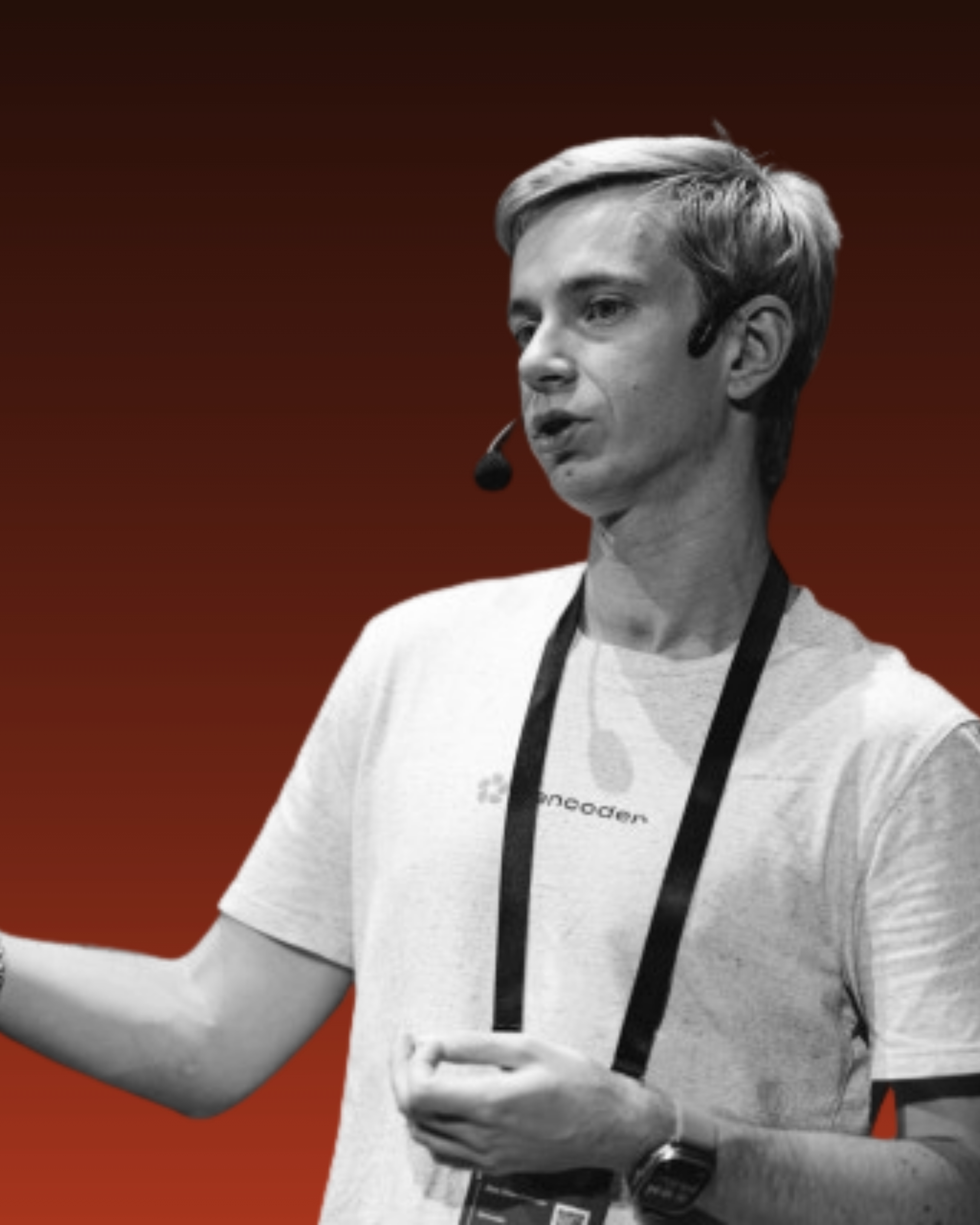
- 14:00 – 14:40PanelPanel StageAI For Tomorrow
Panel 6 - Physical AI: Humanoids, Robot Fleets & Europe's Hardware Gap
Physical AI is 2026's breakout story: humanoids leaving the lab, LLM-driven robot fleets, and a hardware race Europe is losing to China. Can the EU build, not just regulate?
Natalia Olson-Urtecho, Arno Strotgen +3 more
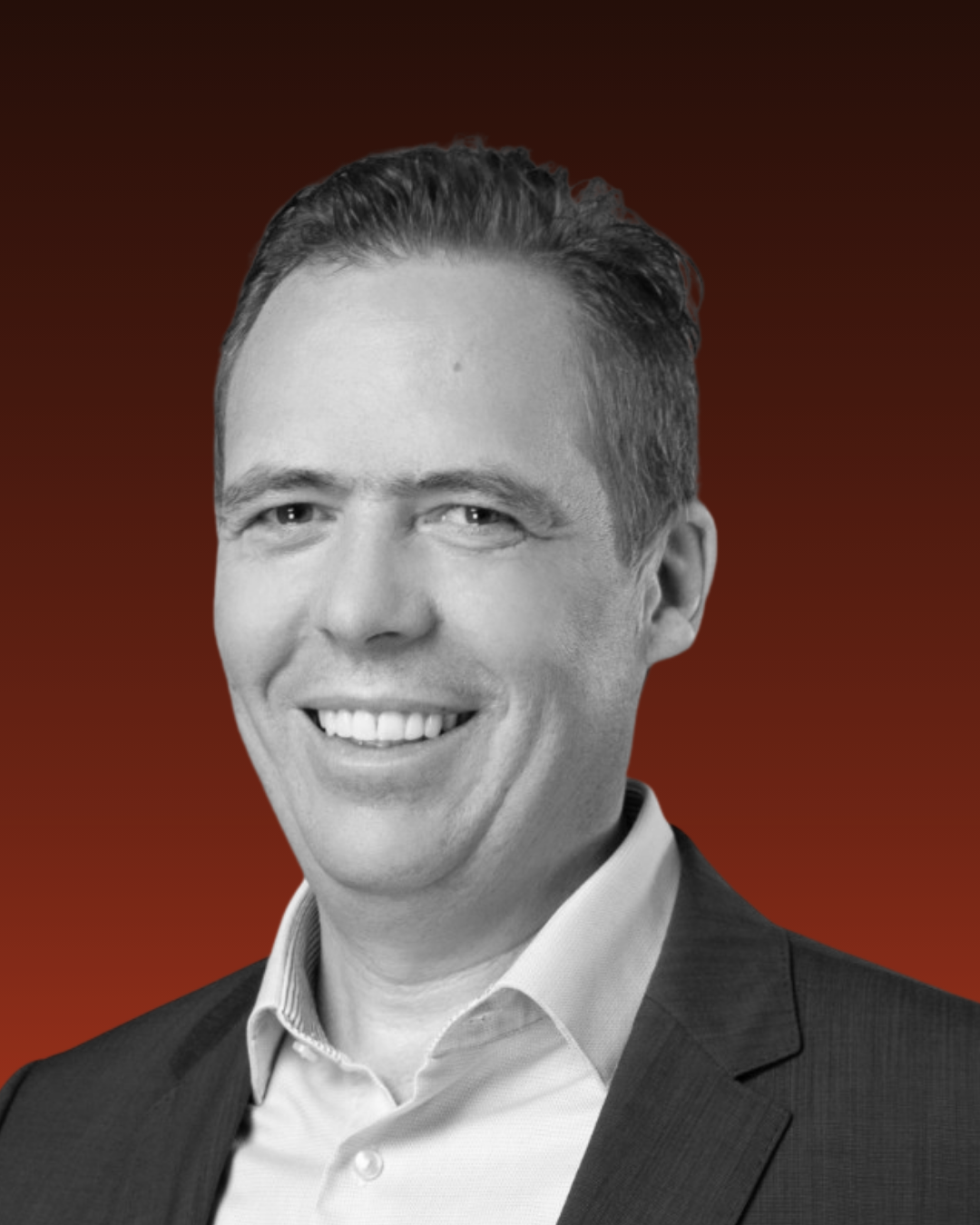
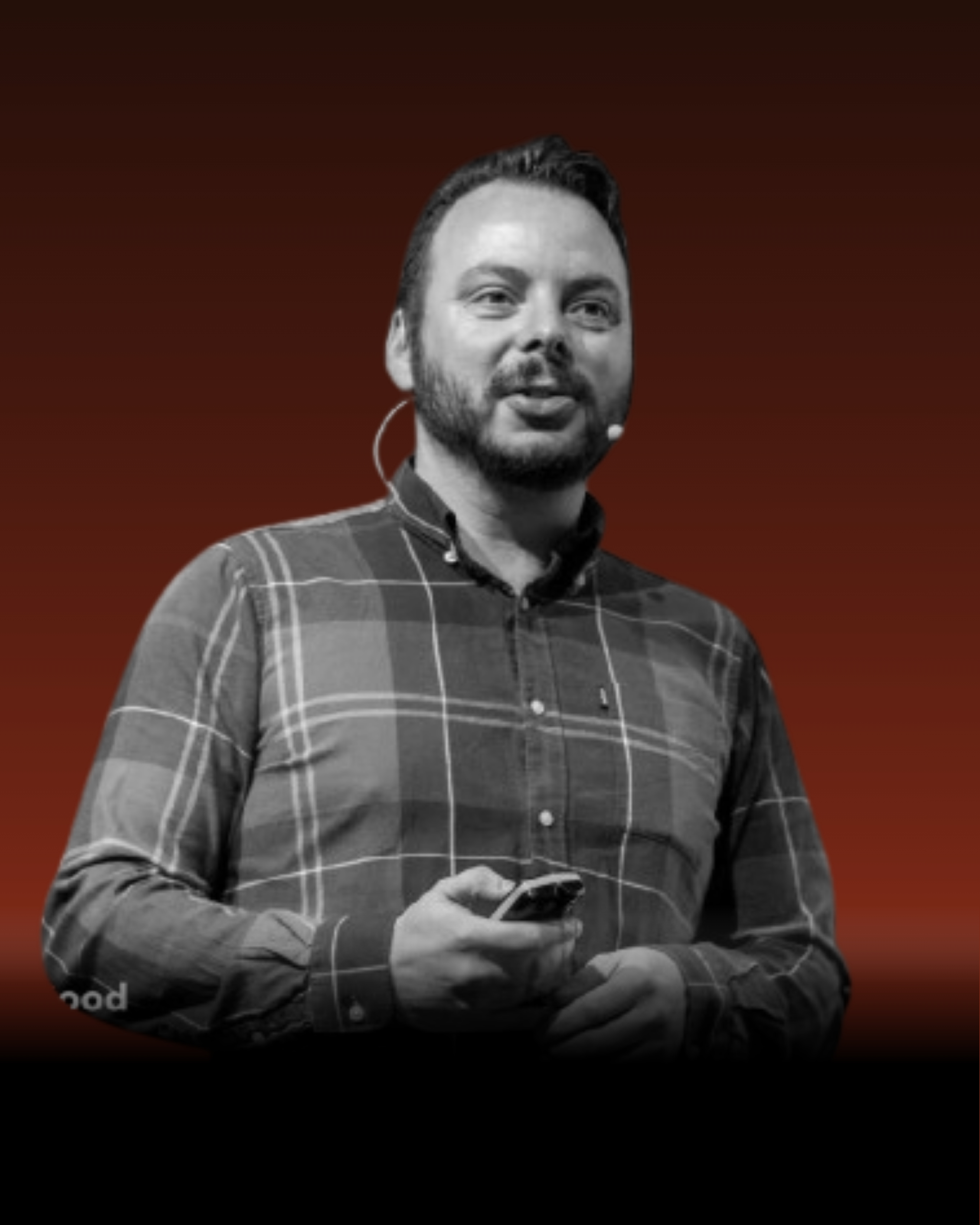
 +1
+1 - 14:20 – 14:35KeynoteAuditorium StageAI For Builders
Keynote 23 - AI made it easy. Who decides what's good?
As AI rapidly generates designs, code, content, and recommendations, many organizations are focused on speed and efficiency. But when outputs are cheap and abundant, speed alone is no longer a competitive advantage. The real challenge becomes defining what good work actually looks like. This talk reframes “good” in the AI era as outcomes, not outputs. Drawing on Sense & Respond thinking, it treats AI-generated artifacts as a new class of assumptions—powerful, persuasive, and requiring validation. AI doesn’t eliminate uncertainty; it accelerates our ability to create hypotheses. The work of teams is still to decide which assumptions matter and how to test them. Attendees will learn why managing to outcomes becomes more critical as AI increases throughput, and how AI tools can be used to generate, test, and invalidate ideas faster—strengthening learning loops rather than replacing judgment. “Good” in the AI era is not about adopting tools. It’s about building organizations that learn faster than their assumptions.
Jeff Gothelf
- 14:30 – 14:55DemoDemo RoomAI For Today
Demo 10 - Demo of AI co-Workers to augment pharma commercial teams
AVATIA builds AI co-workers for pharma commercial teams. Pharma spends around 100 billion dollars a year engaging doctors and pharmacists, but human-only models no longer scale. We are building an AI-native agentic layer that helps reps work 10 times faster, increases HCP engagement 5 times, and gives doctors and pharmacists trusted 24/7 access to pharma companies.
David Masó
- 14:30 – 14:55Use CaseMain StageAI Foundations
Use Case 2 - The Knowledge Layer: Thinner Agents on a Smarter Substrate
AI agents need more than capable models. They need access to the knowledge that makes enterprise data meaningful: business concepts, relationships and context. What if we organised that knowledge in a shared layer, allowing agents to become thinner, simpler and better grounded? This talk explores how knowledge graphs provide that foundation, connecting enterprise data and semantics to support agentic AI. Through practical examples and customer stories, we will show how a knowledge layer built on Neo4j can help agents retrieve relevant information, navigate connected data and deliver more accurate, explainable results.
Jesús Barrasa
- 14:40 – 14:55KeynoteAuditorium StageAI For Tech
Keynote 24 - A Brief History of Artificial Intelligence
Discover the fascinating evolution of artificial intelligence, from its theoretical foundations in the 1940s to the generative AI revolution of 2026. This session explores the key breakthroughs, milestones, and paradigm shifts that transformed AI from an academic dream into one of the most impactful technologies of our time.
Guillaume Saint-Cirgue
- 14:45 – 15:25PanelPanel StageAI For Good
Panel 7 - Healing or Hooking? AI's Double Edge on Mental Health & Wellbeing
Same AI, two opposite stories. On one side: AI therapy companions making mental health support 24/7 and accessible, mood-tracking that catches a crisis early, mindfulness coaches in your pocket, generative tools that help people process trauma. On the other: recommendation systems wired to maximise screen time, dopamine engineering disguised as engagement, attention economies that reward outrage, and AI companions that quietly replace human connection. Where does the line sit between AI helping us thrive and AI hooking us into something that costs more than it gives? Builders, clinicians and behavioural scientists argue out what 'wellbeing' should actually mean in an algorithmic world — and who pays the bill when it goes wrong.
Katya de Freedericksz, Marvyn Halfon +2 more
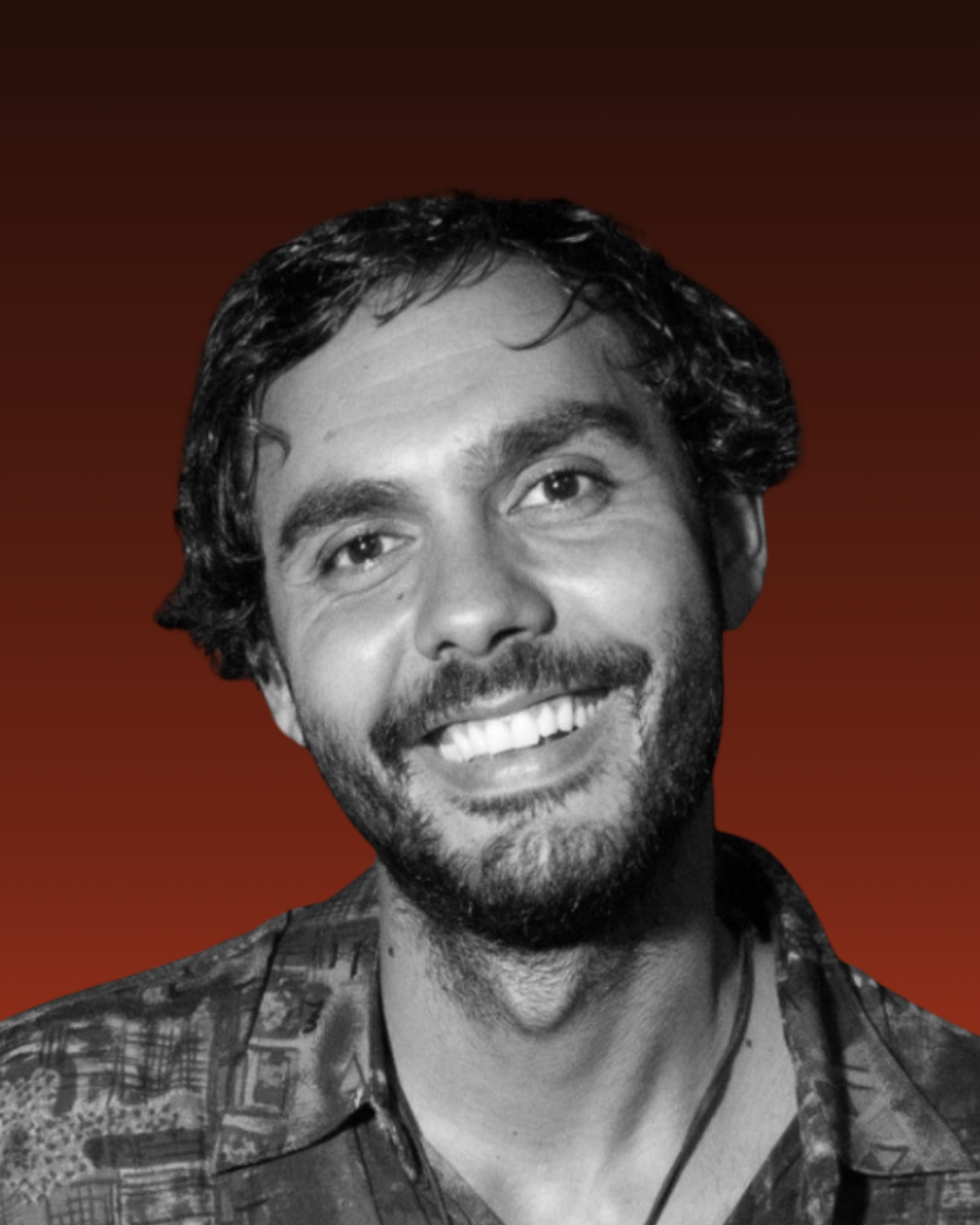


- 15:00 – 16:20WorkshopWorkshop Room BAI For Builders
Workshop 8 - Building Your Second Brain
You leave this room with a second brain of your own: a personal knowledge base your AI can actually read. Answer any question about your team or your last twelve months at work in under a minute, sources attached. Start the day with an empty inbox instead of 128 unread emails. Build a deck from your own notes in two hours instead of two days. This is not a demo. You install the tools, connect your first sources and write a skill that runs before you leave, and you walk out with a folder structure, your first knowledge files and something already working for you. Bring a laptop, ideally with Cursor, Obsidian or Claude installed in advance.
Maxime Gaudin
- 15:00 – 15:25DemoDemo RoomAI For Today
Demo 11 - The Agent Was the Easy Part: Putting an AI Analyst in Front of a Whole Company
AirHelp is a flight-compensation company with a small data team and a wide variety of data-hungry stakeholders, all asking the same kind of question: "what was X last month, split by Y?" We put an AI analyst — AIDA — into Slack so the whole company could ask directly. The talk is about the part that isn't the agent. We deliberately did not build text-to-SQL. AIDA cannot write a query against the warehouse. It can only compose answers from metrics a human has already defined, tested and version-controlled in our semantic layer. That constraint is the product. Text-to-SQL demos work on stage and fail in production, because no warehouse is self-describing and the model does not know what your company means by "active customer". I'll cover the architecture, real examples of how it changed the way people get answers day to day, and the culture shift it forced — inside the data team, where the job moved from answering questions to defining what the answers mean, and outside it, where people had to learn what a governed answer is and when the system should say no. The takeaway for anyone leaving to build this on Monday: your agent is a function of your definitions. Spend the money there.
Rory O'Driscoll
- 15:00 – 15:25Use CaseMain StageAI For Tech
Use Case 3 - AI Voice Agents: From Pilot to Production
Voice AI has left the lab. Enterprises are putting AI voice agents in front of real customers, and the gap between a promising pilot and a production deployment is where many projects stall. Drawing on deployments across multiple industries, we'll examine what it takes to run voice agents at enterprise scale: the barriers that most often derail adoption, the technical foundations production demands (real-time latency, accuracy on real-world audio, predictable cost), and the operational groundwork that separates a compelling demo from a system customers rely on. Attendees will leave with a clear view of how leading companies moved from proof of concept to production, the mistakes that cost them time, and a practical framework for deploying voice AI that holds up in live customer conversations.
Miguel Arroja, Terrell Sheridan

- 15:00 – 15:15KeynoteAuditorium StageAI For Builders
Keynote 25 - Gravity Always Wins: Why Profitable Efficient Growth is the Path to Victory, Especially In The Era of AI
A practical session on how founders and GTM leaders can define what “winning” actually looks like in an AI-native world. Sam will break down the milestones, KPIs, and decision points that matter most as companies scale beyond early traction, helping leaders understand where to focus, what signals to trust, and how to make smarter growth decisions in rapidly changing markets.
Sam Jacobs
- 15:00 – 16:20WorkshopWorkshop Room AAI For Tech
Workshop 7 - Token Compression and Routing, how to control agentic coding costs
First, you make it work. Then you make it efficient. We've spent the last two years proving that LLMs can write code, run agents, and orchestrate complex workflows. Today, Claude Code, Codex, OpenClaw, and others are the modern platforms for executing computational tasks, and tokens represent their new bandwidth. Token compression is about using that bandwidth wisely and accounting for costs from an engineering perspective. This is a hands-on session on the key techniques and a framework for reasoning about this as a fundamental property of the systems you ship, not an afterthought. Attendees will leave with concrete actions they can implement this week, and a mental model for thinking about token efficiency as a compounding infrastructure advantage rather than a line-item cost.
Sacha Morard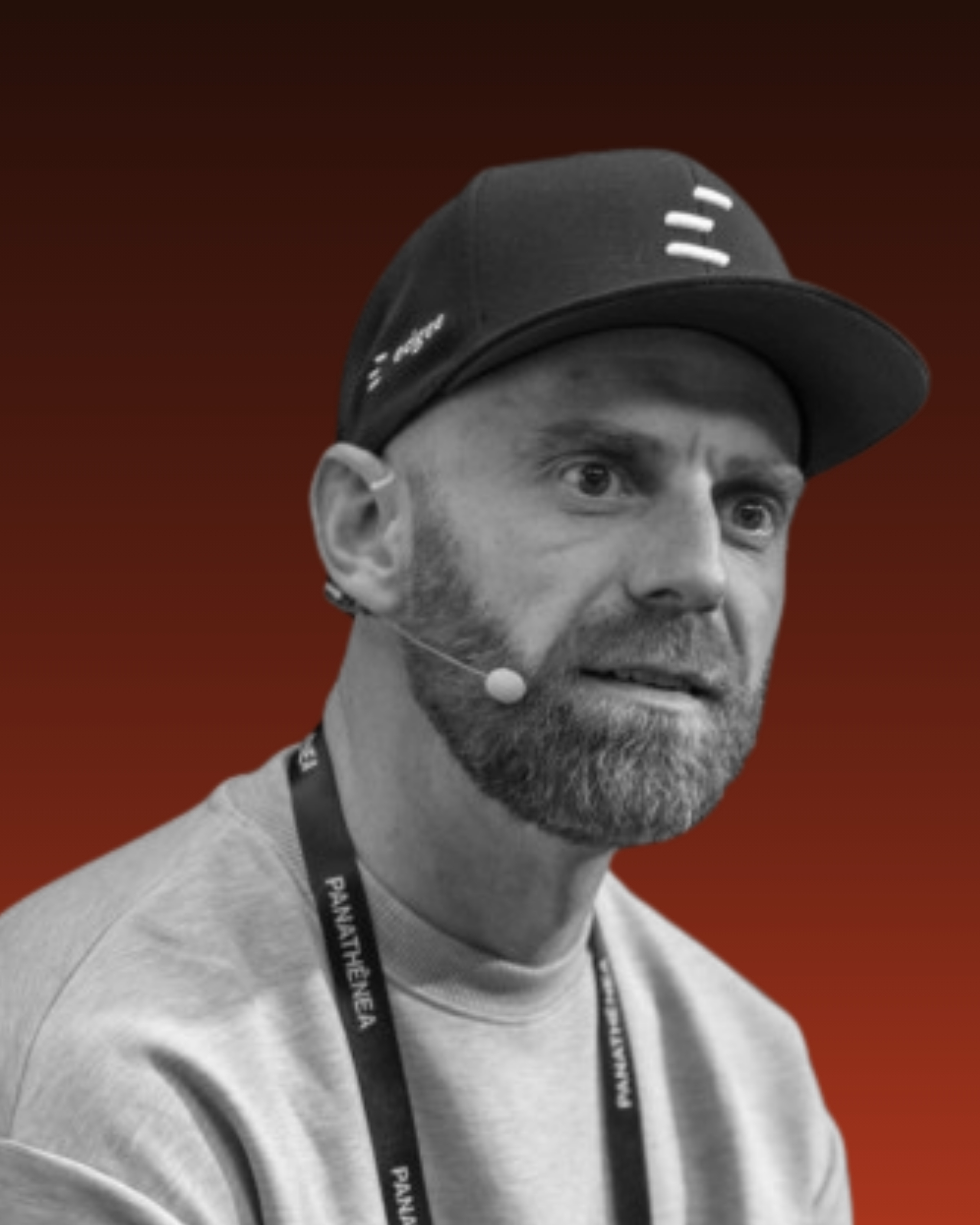
- 15:20 – 15:35KeynoteAuditorium StageAI For Tomorrow
Higher Education in the AI Future: Responsibility and Relevance
In this keynote I will address how the AI transformation will impact higher education, but also the responsibility that these institutions have in heralding a bright, human future for all.
Daniel Traça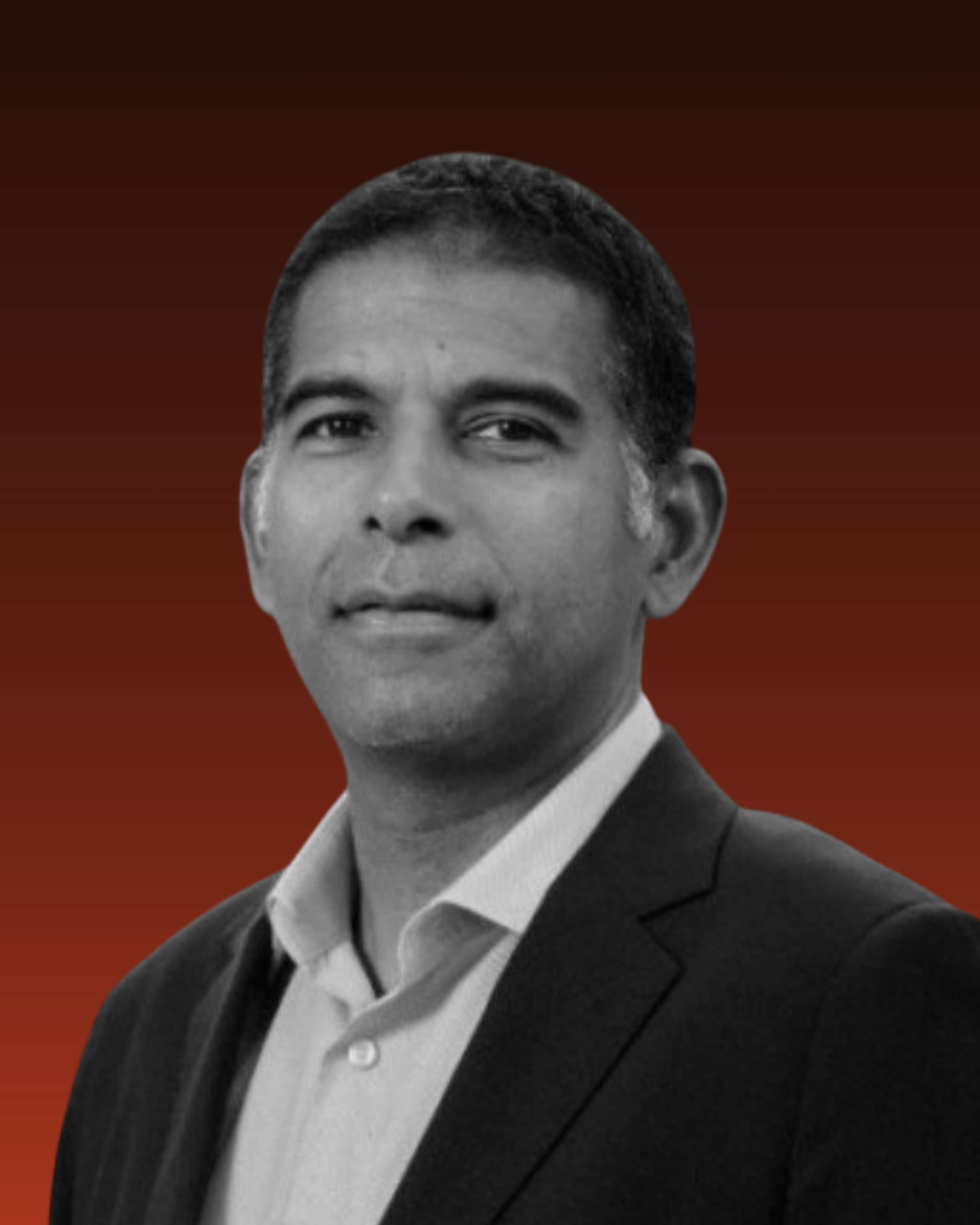
- 15:30 – 15:55DemoDemo RoomAI For Builders
Demo 12 - When anyone can build, the person who decides WHAT to build becomes the bottleneck
Building got cheap. Deciding what deserves to be built did not. At Bricks I shipped production AI agents acting as product builder with coding agents as teammates. I could move faster than ever but I quickly realized that my ability to judge whether what I had just built was actually right dropped. This talk is field notes from that gap. What breaks when delivery outruns judgment. Why stuffing more context into agents makes them try to satisfy everything and what I think builders need to change now, whether you’re a PM, an engineer, or a founder watching your team figure out who owns what.
Nicolas Léonard
- 15:30 – 17:00Sponsor SessionsSponsor Rooms
Hands-On Workshop: Building Agents with Google Antigravity (Bring Your Laptop), by Google Cloud
Step into the future of autonomous software engineering in this 90-minute hands-on lab challenge. Take command with Google Antigravity as you solve real-world tasks - moving from rapid terminal refactoring to orchestrating autonomous multi-agent swarms that execute tools, browse the web, and build software alongside you. (Please bring your laptop!)
- 15:30 – 16:10PanelPanel StageAI For Today
Panel 8 - Retail Rewired: AI from Storefront to Checkout
From demand forecasting and dynamic pricing to AI stylists, smart inventory, and a checkout that knows you before you reach it — retail is being rebuilt aisle by aisle. And now agents are starting to shop on the customer's behalf, forcing brands to rethink who they're really selling to. Retail and e-commerce operators on what AI is already changing on the shop floor and online, and what breaks when real customers and real margins are on the line.
Neel Arora, Bhavishya Ramchander +2 more



- 15:30 – 15:55Use CaseMain StageAI For Today
Use Case 4 - Efficiency? Not only. A new way of working and delivering value to customers
Ecoembes and NTT DATA share what happened when an efficiency programme turned into a change in how teams actually work. Starting from a familiar goal — do the same things faster — the first results forced a rethink of the development model, team structures and the business–technology relationship, built on SPECs, spec-driven and test-driven development, and AI. The freed capacity raised a harder question: what becomes possible that wasn't viable before? A real-world account of simplifying and personalising customer interactions, and the scaling challenges — measurement, security, governance, model cost, architecture.
Oscar Hernández Porta, Eduard Truñó +1 more


- 15:40 – 15:55KeynoteAuditorium StageAI For Today
Keynote 27 - The era of useful, secure AI business software
2026 was the era of shiny demos and prototypes. 2027 will be the era of useful, secure business software that powers your business operations. This talk unveils how the next generation of business apps will be built by non-technical teams - not because we simplified code, but because we simplified creation.
Mariam Hakobyan
- 16:00 – 16:25DemoDemo RoomAI For Tech
Demo 13 - Cursed Apps: Building (and Breaking) the ChatGPT × Claude Ecosystem
ChatGPT Apps and Claude Connectors are quietly becoming a new app layer built on top of AI assistants — but almost nobody has stress-tested what these platforms can actually do, or where they break. This talk opens with a live build: crafting a working app from scratch on Skybridge, an open-source framework for shipping apps that run inside both ecosystems. From there it gets weird. Drawing on a set of deliberately useless experiments built to probe the limits of the MCP App ecosystem, the talk walks through what happens when ChatGPT users and Claude users fight for territory on a shared pixel canvas; rival AI models get dropped into one group call together; a cadavre exquis has players each draw one section of a picture without ever seeing the whole; a game of telephone pictionary degrades — beautifully — across LLM sessions; and independent AI agents try to coordinate through pheromone trails, ant-colony style. None of these are products. They're stress tests — and what breaks, and what doesn't, says more about where this ecosystem actually stands than any roadmap slide could.
Frédéric Barthelet
- 16:00 – 16:25Use CaseMain StageAI For Builders
Use Case 5 - Engineering Production Agents: The Model Is the Easy Part
Building an impressive agent prototype is increasingly easy. Making it reliable, responsive and economically viable in production is much harder. In this session, Dylan Bristot unpacks that gap through real Nebius Token Factory use cases: how Revolut scaled AI agents across financial crime and customer support, and how Sword Health made a much larger reasoning model responsive enough for its AI wellbeing specialist. A short live demo turns those lessons into a practical framework for model choice, inference architecture, observability and cost.
Dylan Bristot
- 16:00 – 16:55DebateAuditorium StageAI For Tomorrow
Debate 2 — Future of Work: Will AI Replace Half of Knowledge Workers by 2030?
Tobi Lütke told Shopify managers: don't hire unless you can prove AI can't do the job. Goldman estimated it as a $7-trillion global GDP boost. Wall Street is pricing in the productivity surge. So is this the great unbundling of the knowledge economy — or the latest in a 30-year history of tech-replaces-work predictions that never came true? Two debaters fight it out: one sees a near-future where the white-collar middle is hollowed out, the other sees AI as the most powerful augmentation tool we've ever built, with employment levels intact. 55 minutes, bell-to-bell.
Magda Kufrej, Anna Thomas +5 more


 +3
+3 - 16:15 – 16:55PanelPanel StageAI For Good
Panel 9 - Women Who Lead the Room: Closing AI's Leadership Gap
AI is rewriting who gets heard, funded and promoted. Founders and leaders on building inclusive AI leadership pipelines — and why visibility is the new currency.
Sarah Anto, Faith Ruto +3 more


 +1
+1 - 16:30 – 16:55DemoDemo RoomAI For Tomorrow
Demo 14 - The Hiring Debt Nobody Talks About
How people infrastructure debt accumulates silently in the early stage, and what it actually costs founders when it catches up with them.
Ebony James
- 16:30 – 17:50WorkshopWorkshop Room AAI For Builders
Workshop 9 - From Prototype to Production: Building, Securing, and Scaling AI Agents with Amazon Bedrock AgentCore
Building an AI agent is the easy part. Getting it to production — authorized, observable, debuggable, and scalable — is the real engineering challenge. In this hands-on workshop, AWS Solutions Architects and specialists walk you through the key building blocks of Amazon Bedrock AgentCore. You'll scaffold an agent with the AgentCore CLI, connect it to tools (MCP servers, APIs, knowledge bases), wire up identity-aware access control, and deploy it — all within a provided AWS sandbox environment and without managing infrastructure. Bring your curiosity and your laptop — whether you work with LangChain, Strands SDK, OpenAI Agents SDK, Claude Agent SDK, or your own framework, you'll leave with practical, hands-on experience building agents that are ready to evolve toward production. This is not a demo. You will build, break, and debug. Level: Intermediate to Advanced (300–400), structured in progressive modules with guided support — beginners can follow along while experienced builders push into advanced patterns (agent runtime deployment, multi-tool orchestration with authentication, MCP server integration, IAM-backed access policies, production observability and tracing). Recommended: basic Python and familiarity with AWS core services (IAM, Lambda). For: software engineers, AI/ML engineers, platform engineers, cloud architects, DevOps/SRE practitioners, and technical founders building AI agent systems.
Francisco Amaya, Israel Lopez Moriano

- 16:30 – 17:50WorkshopWorkshop Room BAI Foundations
Workshop 10 - Build with QVAC: Developing Local AI Apps
Learn how to build AI-powered applications that run directly on users’ devices with QVAC. In this hands-on workshop, you’ll explore QVAC’s SDK and learn how to integrate local AI capabilities—from text and vision to speech and RAG—into your own apps. By the end, you’ll have the foundation to build private, offline-capable AI experiences without relying on cloud inference or API keys.
Alberto Valero
- 16:30 – 16:55Use CaseMain StageAI For Growth
Use Case 6 - When Every AI Company Sounds the Same: How to Build and Prove Real Differentiation
In an AI market where nearly every company makes similar claims, genuine differentiation is increasingly difficult to articulate and even harder to prove. Using Maisa’s experience as the central case study, David Villalón and Manu Romero will discuss how founders can build a defensible position through fundamental technology choices, measurable customer outcomes and the ability to meet the highest standards of trust, security and accountability. The session will explore what distinguishes a compelling narrative from a truly differentiated company, particularly when selling into some of the world’s most regulated industries.
David Villalón, Manuel Romero

- 17:00 – 17:15Fireside chatAuditorium StageAI For Today
Fireside 1 - From Dating Fatigue to AI Saturation: Why People Are Coming Back to Real Life
Dating apps removed rejection, not loneliness. AI removed friction, not the need to be known. Maxime Barbier built Timeleft on the opposite bet: put strangers around a dinner table in 200 cities worldwide, and make the awkward part the point. In this fireside he argues that friction is a feature, that restaurants have become the last piece of social infrastructure we have left, and that the harder an experience is to outsource to a model, the more it is worth doing yourself. Booking gives you a room. Skyscanner gives you a flight. Timeleft gives you a human. A deliberately contrarian counterweight to the rest of the programme, on loneliness, third places, and what we quietly lose to LLMs.
Maxime Barbier, Katrina Logie

- 17:00 – 17:25Use CaseMain StageAI For Tomorrow
Use Case 7 - AI Built on Trust: Turning Smart Data into Secure Intelligence
Discover how smart, governed data can power AI without compromising security, sovereignty or control. A real-world approach to transforming sensitive information into secure, actionable intelligence.
Rodny Coronel, Philipp Braun +2 more



- 17:00 – 17:25DemoDemo RoomAI For Today
Demo 15 - Beyond the Pilot: How to Give an AI Employee a Real Job
It is easy to build an AI that can hold an impressive conversation. It is much harder to give it responsibility for actual work. Using examples from real deployments across restaurants, dental practices and home services, Ryan McManus breaks down the anatomy of an AI employee: the job it owns, the information it needs, the systems it can access, the decisions it is allowed to make, and the moments when it should hand work back to a human.
Ryan McManus
- 17:00 – 17:40PanelPanel StageAI For Builders
Panel 10 - Place Your Bets: AI in Gaming, Gambling & Live Entertainment
Gambling, gaming, streaming, live events. AI is rewriting the entire entertainment stack, from iGaming algorithms predicting the next bet, to recommendation engines deciding what 200 million people watch tonight, to computer vision changing how a live show feels. It is one of AI's biggest and fastest-moving commercial playgrounds. Operators and builders on what is genuinely running in production today, where personalisation stops paying and starts costing trust, and whether Europe can build the next generation of entertainment with AI at the core.
Xavier Simó, Alejandro Mowszet +3 more


 +1
+1 - 17:20 – 17:35Fireside chatAuditorium StageAI For Today
Fireside 2 — Agents That Touch Real Money
Most AI-in-finance sessions are about what could be automated. Sophie Cornay runs Qonto AI, a team of ten shipping agentic workflows into a live banking product used across Europe: invoice handling, payment tracking, categorisation, real-time cash visibility. That means agents operating where mistakes cost money and someone has to be accountable for them. This fireside is about the line she drew — what an agent decides, what it never decides, what broke in production, and what actually slows a team down when the product is regulated. A working account of shipping agents in finance, not a forecast.
Sophie Cornay, Mike Butcher

- 17:30 – 17:55Use CaseMain StageAI For Tech
Use Case 8 - Building a Voice Agent for Sports Centre Customer Service
IBM & Baskonia Alaves Group present the design and deployment of an AI voice agent for customer service, beginning at the BAKH training and leisure center and built to extend across the group. The session covers the architecture behind the solution, the integration with existing booking and membership systems, and the operational results observed to date. It also addresses the practical challenges of conversational voice in a live environment, the criteria used to decide what the agent handles and what escalates to a human team, and what the initial deployment revealed about scaling further.
Jesús Beatove, Mario Tristan Del Pino

- 17:30 – 17:55DemoDemo RoomAI Foundations
CancelledDemo 16 - AI in High-Stakes Environments: A Practitioner's Framework for Responsible, Explainable, and Secure Deployment
Most AI governance conversations happen at the policy level. I want to bring them to the production level, where the decisions are harder and the consequences are real. I'll walk through how we built and deployed an AI governance framework inside a regulated healthcare technology platform: what alignment with the EU AI Act, Cyber Resilience Act, and ISO 42001 actually looks like in code, architecture, and process, not on paper. What broke. What we had to rebuild. And why "responsible AI" means something very different when a wrong output affects a patient in behavioral health.
Dr. Martin Ignatovski
- 17:40 – 17:55Fireside chatAuditorium StageAI For Growth
Fireside 3 — What AI Companies Actually Charge For
Per-seat pricing assumes headcount. If the product does the work instead of helping a person do it, what exactly is being sold — and to whom? Tim Beck, Co-Founder and CEO of BLP Digital, on the monetisation question underneath every AI product decision: seats versus outcomes, what inference costs do to gross margin, and which pricing models are quietly breaking. A commercial conversation, not a product one.
Tim Beck, Henrik Beckmann

- 18:00 – 18:15Fireside chatAuditorium StageAI For Builders
Fireside 4 — Generative AI at Consumer Scale
Shipping a generative feature to professionals is a product problem. Shipping it to a very large consumer base is an engineering, cost and quality problem at the same time. Artavazd Mehrabyan, Co-Founder and CTO of Picsart, on what changes when your users aren't experts, your inference bill is a line item on the P&L, and the feature has to work the first time or it doesn't get used again. What consumers adopted, what was built and ignored, and what the engineering org had to become.
Artavazd Mehrabyan, Mike Butcher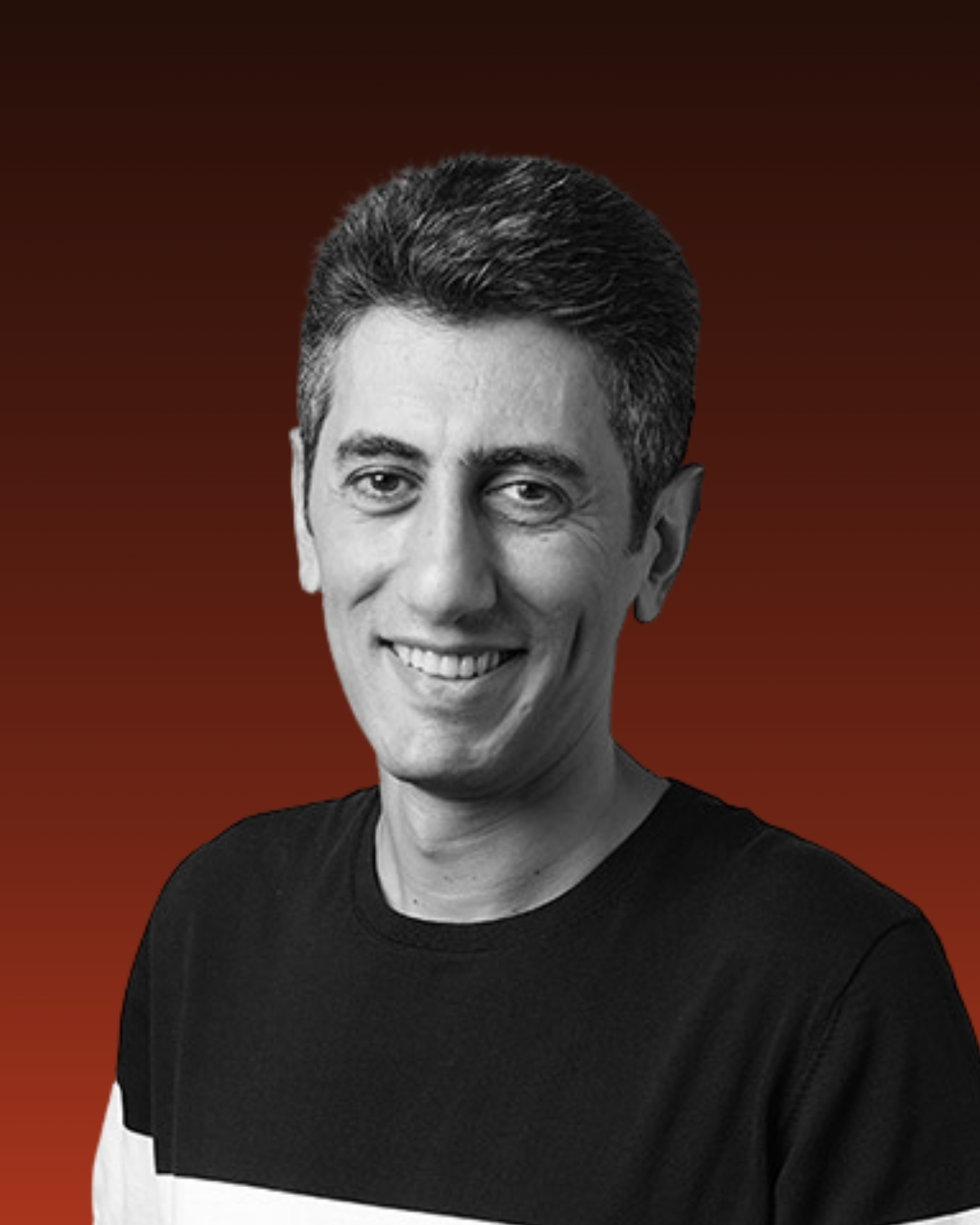
- 18:00 – 18:20KeynoteMain StageAI For Tech
Keynote 28 - The Last Mile of Model Accuracy: Agent-Driven Federated Learning for Unseen Domains
Every AI/ML vendor ships a model that hits its benchmark and then watches it underperform in the field. The customer’s domain is different from the training distribution, and it keeps moving. It shows up everywhere — medical imaging, fintech, anti-fraud, identity and many others — and today it’s closed by guesswork: hunt for more data, retrain blind, repeat over weeks. The vendor is diagnosing a domain it cannot see. I’ll show what changes when an agent runs where the data already lives: it diagnoses what actually shifted and turns that into a targeted federated fine-tuning plan, without the vendor losing its own baseline. Two real deployments ground it — one in medical technology, one in anti-spoofing for identity — plus what it takes to make this work, and where it still breaks.
Oleg Kovpak
- 18:00 – 18:40PanelPanel StageAI For Growth
Closing D1: Catalonia's AI Ecosystem - Collaboration, Talent and Real-World Value
The Digital Catalonia Alliance (DCA), an initiative of the Generalitat de Catalunya driven by the i2CAT Research and Innovation Centre, brings together more than 800 advanced digital technology companies. In this session, innovative companies from the DCA-IA community discuss how to build a dynamic, competitive and interconnected AI ecosystem. The session goes deep on real use cases, pilot projects and the sector's strategic outlook in Catalonia, highlighting the talent and capacity of the local ecosystem to lead the technology of the future, and showing how local collaboration and a diversity of capabilities make it possible to tackle complex challenges with agility and excellence.
Tetiana Klymchuk, Carlos Varea Filella +3 more

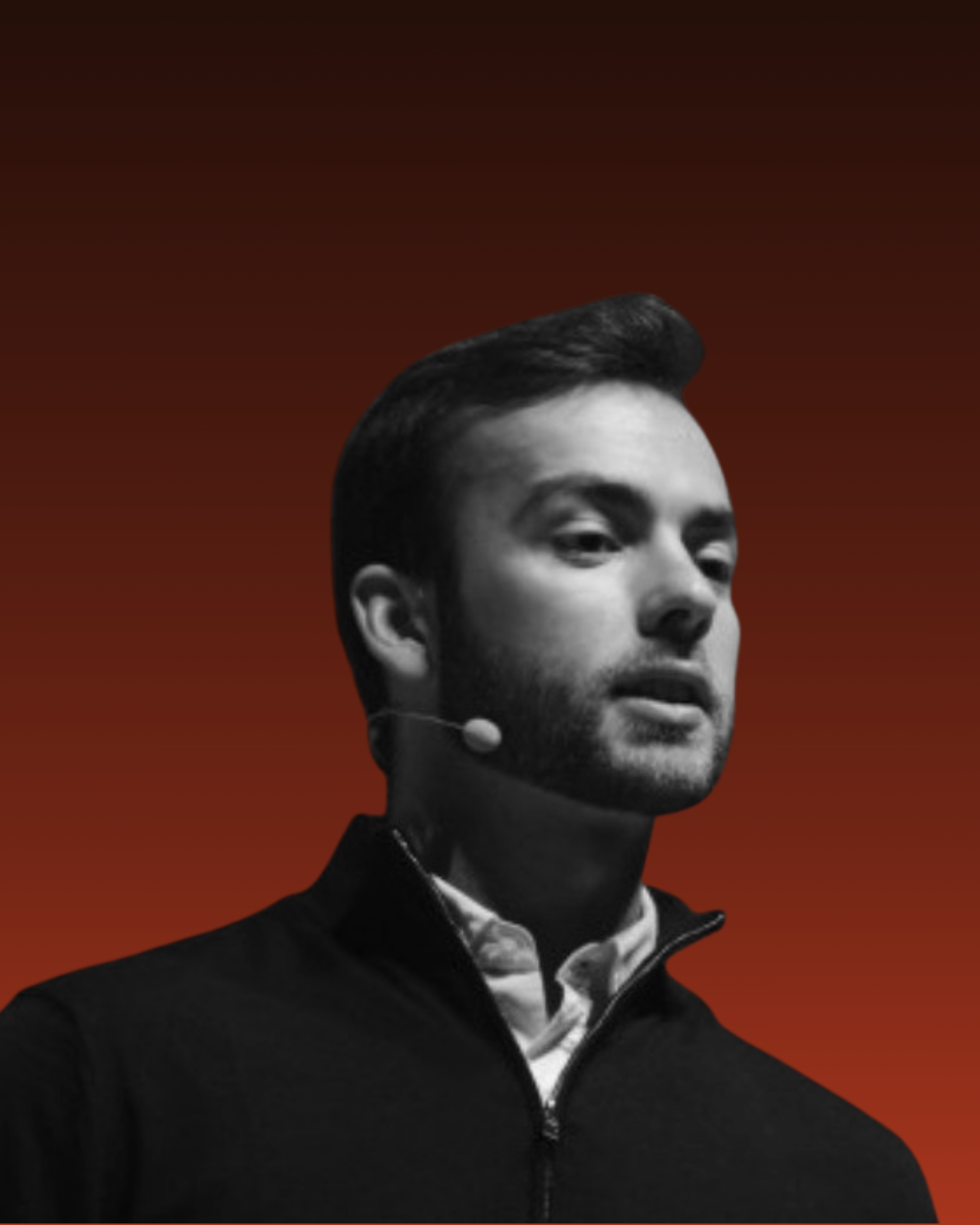
 +1
+1 - 18:20 – 18:35Fireside chatAuditorium StageAI Foundations
Fireside 5 - AI in Regulated Industries: Booster or Barrier?
Regulated industries are where move fast and break things gets you fired, and both guests live there. Juan Buero puts AI and automation inside BASF, where a wrong output could mean a safety or compliance event. Robin Bradley runs Bigspark, building the AI that banks have to prove, audit and defend to a regulator.
Mark Hill, Juan Buero +1 more
- 18:20 – 18:40KeynoteMain StageAI For Builders
Keynote 29 - Beyond the AI Noise: Creating Content People Can’t Ignore
In a world where anyone can generate content in seconds, standing out has never been harder - or more valuable. In this talk, Tycho Luijten, founder and CEO of Dapper, shares how brands can create content that cuts through the AI-generated noise: work that's distinctive, human, and impossible to ignore.
Tycho Luijten
- 18:40 – 19:00KeynoteMain StageAI For Builders
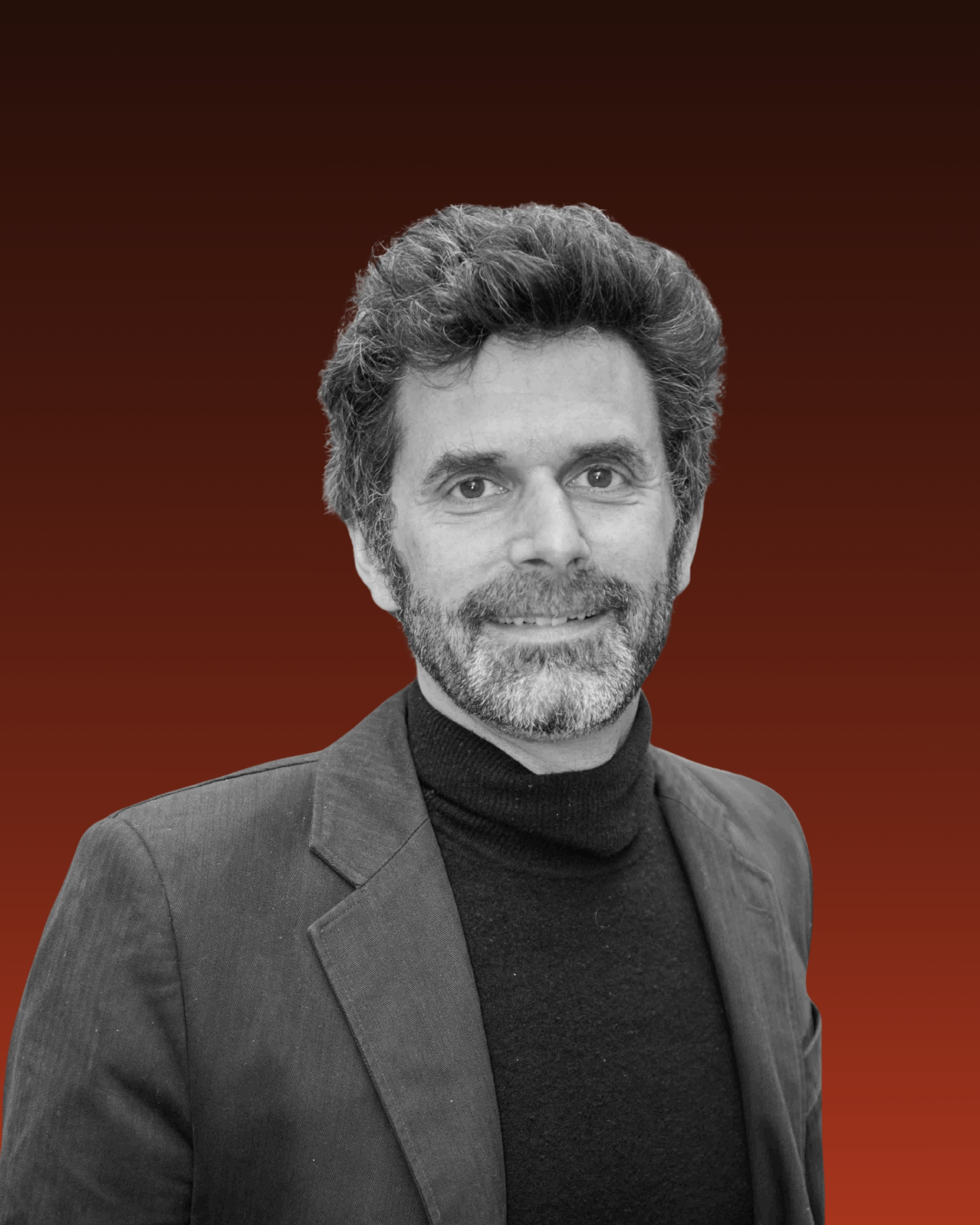
Keynote 30 - The intelligence of digital twins: AI to help protect cultural heritage
Since it was founded in 2013, Iconem has leveraged the latest innovations to document heritage sites under threat, from conflict zones to UNESCO World Heritage sites, turning raw data from the field into precise 3D models at a scale and speed no other process could match. This talk retraces that journey: how cultural heritage digitization and AI became inseparable from the start, and how the company's ongoing R&D pushes further, enriching these models into spatialized knowledge systems and intimate, immersive experiences for all. Alongside the technical path, expect a visual journey through some of the most striking digital twins produced to date, and a look at what AI still has to offer a field where what is lost cannot be recaptured.
Andrea Louis, Yves Ubelmann
- 18:40 – 18:55Fireside chatAuditorium StageAI For Tomorrow
Fireside 6 - What's Left to Teach When AI Already Knows the Answer?
Business education was built on transferring knowledge to people who did not have it. That premise is gone. In fifteen minutes, EU Business School takes on what a degree is actually worth now, which skills survive contact with AI, and whether institutions selling multi-year programmes can move fast enough to stay honest with the students paying for them.
Dr. Obaid Amjad, Angelo Antinoro +1 more

- 19:00 – 19:20KeynoteMain Stage
Closing Day 1 - Innovation: The engine for global prosperity
A day of demos, frameworks and hard numbers ends with the bigger question: what is all of it actually for. Kamran Elahian has spent four decades building companies, taking them public, watching some pass a billion dollars and being fired from one of his own. He has also spent twenty years putting technology to work on education and poverty. He closes day one on innovation as the engine of prosperity: what it takes to build something that lasts, what failure teaches that success cannot, and why the people who change things are rarely the ones with the best technology. Less about the tools you saw today, more about what you do with them tomorrow.
Kamran Elahian
Wednesday 23 September
- 10:00 – 10:15KeynoteMain StageAI For Builders
Keynote 31 - AI to keep Europe Safe
A Keynote from Airbus Defense and Space
Roser Roca Toha
- 10:00 – 10:25DemoDemo RoomAI For Today
Demo 17 - From Digital Twins to Biological Twins: Modeling Human Life with AI
You can measure your biology. The hard part is knowing if anything you did actually changed it. Astel Allame will show live what that looks like in practice at NutriCheck: 4 drops of blood collected at home, thousands of molecular signals and biomarkers turned into your biological twin. The model runs on one person, with everyone as their own reference, to target the right nutrition, supplementation and lifestyle interventions, and make preventive health truly accessible, measurable and actionable.
Astel Allame
- 10:00 – 10:40PanelPanel StageAI For Builders
Panel 11 - Creativity at Machine Speed: GenAI in Film, Media & Design
Video models broke through — now what? Leaders from film, broadcast and design on hybrid AI workflows, creator compensation, and where human craft still wins.
Ferdi Alici, Martin LeBlanc +3 more

 +1
+1 - 10:00 – 11:20WorkshopWorkshop Room AAI For Builders
Build your AI Search workflows. Data-backed optimisation based on 15 months of experimentation
For over a year I've been running experiments with Surfer's Data Science team on how LLMs work as search engines. I'll start with what those experiments found, including the parts that may contradict what many people suggest. Then I'll show you what to do with it. How to read a brand's position in AI answers, how to turn one gap into a work, and how to make that repeat every week instead of once in a while. Every step is yours to try. I give everyone one month of free access to Surfer and Surfer MCP. Connect it to the AI assistant on your own laptop: Claude Code, Codex or Cursor. Bring one if you want to build along. Watch from your seat if you would rather work on it later. Everybody leaves with the materials, whichever way you do it: the prompt pack that reproduces the whole workflow, and the research behind it.
Jakub Sadowski
- 10:00 – 11:20WorkshopWorkshop Room BAI For Tomorrow
Workshop 12 - AI for Clarity: Turning Technical Complexity into Stories People Act On
It’s a practical session showing how AI tools (ChatGPT, Gemini, Copilot, etc.) can help professionals remove complexity and create accurate decision narratives. It includes a live demo so people can see the transformation happening in real time. Given the mix of technical and business audiences at the summit last year, I think this will work well with: • data and analytics teams that want bigger impact with their insights • AI technical teams that need to remove jargon when communicating with business colleagues • business leaders trying to get better engagement from their presentations
Iñigo Antolín, Andy Storch

- 10:00 – 10:15KeynoteAuditorium StageAI Foundations
Keynote 32 - In Medio Stat AI: Governing Artificial Intelligence in a Fragmented World
Artificial intelligence is global, but the rules governing it are increasingly fragmented. This keynote distinguishes regulation, which establishes legal boundaries, from governance, which makes responsibility operational through real authority, oversight, evidence and accountability. Comparing the different priorities shaping AI in Europe, the United States and China, Luana Lo Piccolo argues that governance is becoming essential geopolitical and innovation infrastructure. She introduces a practical framework based on five principles - Purpose, Power, Proof, Participation and Portability - to help organisations govern AI responsibly across changing technologies and jurisdictions. Governance is not the brake on innovation. It is the steering system that allows innovation to endure.
Luana Lo Piccolo
- 10:20 – 10:35KeynoteMain StageAI For Builders
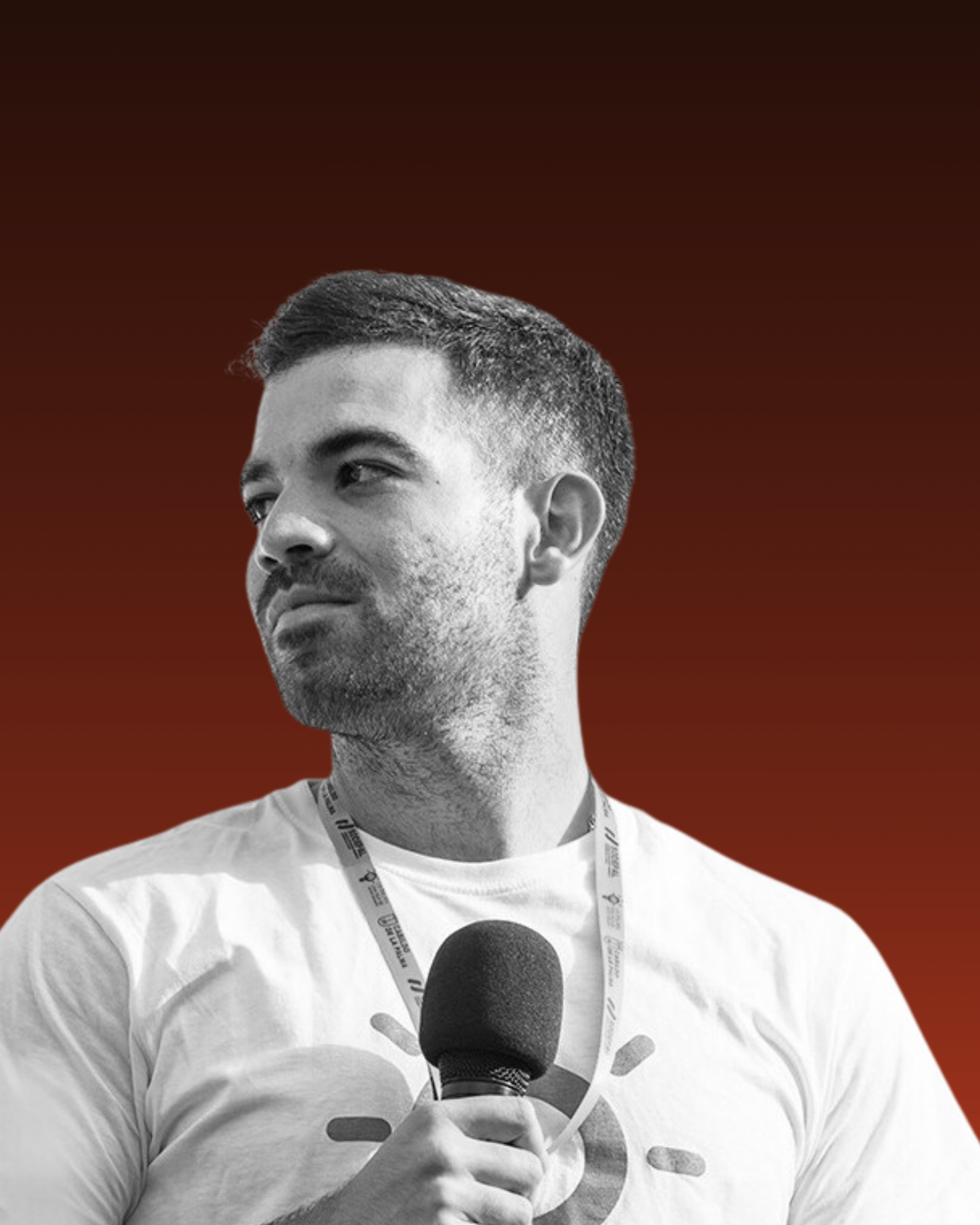
Keynote 33 - AI Agents: from Zero to Corporate Hero
What changes when AI stops being something we ask for advice and starts carrying out meaningful parts of a workflow? In this talk, we'll explore the most impactful AI agent workflows we've introduced across our companies, from work automation to data analytics, how they fundamentally changed the way we work, and the many lessons we learned along the way.
Bruno Fondevila, Manuel Álvarez
- 10:20 – 10:35KeynoteAuditorium StageAI For Good
Keynote 34 - Beyond Upskilling: Rebuilding Identity in the Age of AI
Everyone talks about the exponential curve of AI. Almost no one talks about the flat line next to it: the human capacity to adapt. That gap is already splitting organizations into two populations and triggering something deeper than a skills shortage: an identity crisis. Fear, loss of bearings, resistance as a survival reflex. Upskilling won't fix this. You can't train your way out of an identity transition. This keynote introduces The Soft Architecture: an experimental approach for rebuilding professional identity in a transition no one has a map for. If you lead people through change, this is a different kind of conversation.
Laurence Nguyen
- 10:30 – 12:00Sponsor SessionsSponsor Rooms
Hands-On Workshop: Building Agents with Google Antigravity (Bring Your Laptop), by Google Cloud
Step into the future of autonomous software engineering in this 90-minute hands-on lab challenge. Take command with Google Antigravity as you solve real-world tasks - moving from rapid terminal refactoring to orchestrating autonomous multi-agent swarms that execute tools, browse the web, and build software alongside you. (Please bring your laptop!)
- 10:30 – 10:55DemoDemo RoomAI For Builders
Demo 18 - How to Use AI to Grow Your B2B Revenue
I’ll show you how to use AI to win clients and grow revenue. Using Claude Code, ColdIQ, Prospeo, and other tools, I’ll build a complete B2B growth system live. You’ll see how to find ideal customers, identify decision-makers, enrich contacts, and launch personalized outreach. Whether you’re a startup looking for your first customers or a large B2B company ready to accelerate growth, this session is for you. Bonus: I’ll show you how to use the same system for fundraising. It’s the exact system we used to help a Swiss client raise $5 million. Real tools. Real workflows. Real growth.
Sami Ghozzi
- 10:40 – 10:55KeynoteMain StageAI Foundations
Keynote 35 - ¿Qué AI en el Banco de España? (ESP)
Exposición sobre cómo se usa la IA en el Banco de España.
Ignasi Belda
- 10:40 – 10:55KeynoteAuditorium StageAI For Good
Keynote 36 - How to Build Human Capability as AI Gets Smarter
AI is making us faster, more productive, and more capable. But there is a question hiding behind those gains: Are we becoming more capable—or simply more capable with AI? As organizations race to deploy copilots, agents, and increasingly autonomous systems, Don Kilburg argues that leaders need to pay attention to another critical asset: Cognitive Capital—the human capacity for judgment, critical thinking, learning, creativity, adaptability, and wisdom. In this keynote, Kilburg explores the Capacity Shadow: the potentially hidden gap between what people can accomplish with AI and what they remain capable of doing without it. Emerging research suggests that AI-assisted performance and independent human capability can diverge—and, importantly, that how we design human-AI interaction can change the outcome. Kilburg introduces Cognitive System Design, a practical approach to building AI-enabled organizations that don’t just maximize today’s performance, but deliberately develop the human capabilities they will need tomorrow. The goal isn’t less AI. It’s better human-AI systems. You have an AI strategy. Do you have a cognitive strategy?
Don Kilburg
- 10:45 – 11:25PanelPanel StageAI For Today
Panel 12 - Can AI be better than doctors?
AI already reads scans, catches cancers earlier and reshapes drug discovery, but it learned from biased data. Clinicians, founders and investors on what works today and what we must fix.
Ariadna Maso, Vlad Lupenko +2 more



- 11:00 – 11:15KeynoteAuditorium StageAI For Tomorrow
Keynote 38 - The rise of Hybrid Builders - The profiles shaping the next phase of AI transformation.
Organizations have never invested more in AI. Yet many still struggle to turn these investments into a measurable business impact. The missing piece is not technology, it is people. As AI becomes part of everyday work, a new profile is emerging: professionals who understand business challenges, know how to build with AI and help organizations adopt new ways of working. At Mantu, we call them Hybrid Builders. This keynote explores why the next phase of AI transformation will be defined not only by technology, but by the organizations capable of developing the people who can turn AI into business value.
Constance Nevoret
- 11:00 – 11:25DemoDemo RoomAI For Builders
Demo 19 - From Reactive to Proactive: Building AI Agents that Anticipate Customer Needs
We’re collecting more data than ever, building powerful chatbots, designing complex workflows but users still just want ONE thing: to get what they need with as little effort as possible. In this talk, we’ll explore how AI agents can help bridge that gap: not by asking users to give more, but by leveraging what we already know to deliver faster, smarter, and more intuitive experiences. In the live demo of an agentic assistant we will see a shift from reactive to proactive behavior. We will discuss common pitfalls when building agentic systems and tap into their evaluation for large scale solutions.
Nensi Hakobjanyan
- 11:00 – 11:15KeynoteMain StageAI For Builders
Keynote 37 - AI in Sales real life. What works, what does not work
Real life examples of AI applied to our Revenue Department. Best and worse practices on what works and where we failed badly.
Nolwen Attou
- 11:20 – 11:35KeynoteMain StageAI For Tech
Keynote 39 - AGENTIC AI IN 2026: Hype, Reality and the Road Ahead
Agentic AI promises to transform business, but how much is real? Discover what deserves your attention, what’s still hype, and where your next AI opportunity could lie.
Andreas Horn
- 11:20 – 11:35KeynoteAuditorium StageAI Foundations
Keynote 40 - Cybersecurity
To be announced...
Eduard Singer
- 11:30 – 11:55DemoDemo RoomAI For Growth
Demo 20 - Inside the architecture: Building a production-ready AI venture
What does it actually take to move from AI prototype to production-grade product? In this technical deep dive, Michael van Lier unpacks the architecture behind one of Builders’ AI ventures — from model selection and orchestration layers to data pipelines, infra decisions, and governance. Rather than theory, this session explores real design trade-offs, scalability challenges, and the hard calls that shaped the product. Ideal for technical founders, product leaders, and engineers who want to understand what breaks, what scales, and what matters when building AI systems in the real world.
Michael van Lier
- 11:30 – 12:50WorkshopWorkshop Room AAI For Tech
Workshop 13 - From Design to Live Campaign: Marketing Automation Rebuilt Around AI Agents
Marketing automation has a production bottleneck. Turning a design into an inbox-proof email takes days of specialist work. Wiring it into the platform (personalization, data extensions, automations, journeys) takes days more. Every campaign pays that tax again. We rebuilt that workflow around AI agents, and we'll show the whole thing running: a Figma design goes in, production-grade email-safe HTML comes out, validated across real inboxes, and the email, the AMPscript personalization, the Data Extensions, the Automations and the Journey get built inside the marketing platform. The specialist stays in command throughout, setting the intent and approving at gates the agents cannot pass on their own. Full autonomy is not the goal. In a discipline where a bad send is irreversible, it shouldn't be. Orchestration is. Then we hand the controls to the room: ask for a change, and we run it live." Requirements: No requirements. No laptop, no setup, no accounts. This is a demo-led session, not a build-along. The workflow runs on our own repository and against live client platforms, so we can't hand out the environment, and building the full pipeline live would eat well past our slot. What you get instead is the complete workflow end to end, plus a live segment where you call the changes and we operate the system in front of you. No technical background required.
Gabriela Garcia, David Sanchez Serrano

- 11:30 – 12:10PanelPanel StageAI For Good
Panel 13 - Energy Resilience & AI Climate Adaptation
Two very different things get called climate AI: predicting and pricing risk, and keeping physical systems running when the weather breaks them. This panel holds both and stays honest about which is which. What hazard models can actually forecast at asset level, what insurers and investors will underwrite on the back of it, and what happens when AI's own compute becomes one of the fastest growing loads on the same grid everyone is trying to protect.
Alejandro Martí, Rocío Alcocer +2 more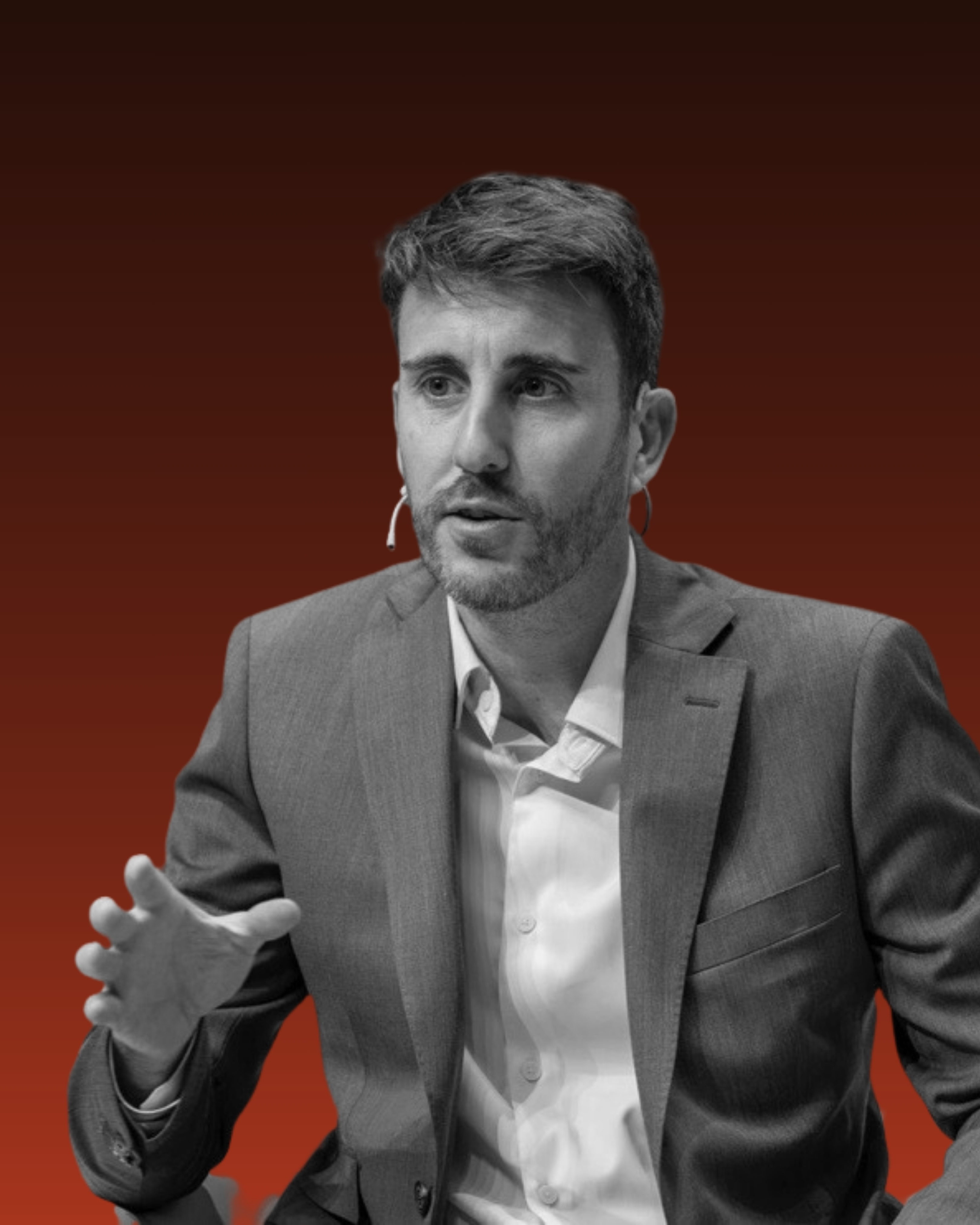


- 11:30 – 12:50WorkshopWorkshop Room BAI For Builders
Workshop 14 - Can AI Replace Your Buyer Interviews? Building Robust Synthetic Personas
B2B market research has always been the industry's hardest nut to crack: small sample sizes, gatekept buyers, slow timelines, and insights that go stale before you can act on them. In this talk, Kate Busby breaks down how AI-generated synthetic personas are changing the equation, not as a shortcut, but as a rigorous, repeatable process. Kate walks through the full methodology: how to construct synthetic personas that actually reflect real buyer behavior, the data fidelity checks that separate a useful model from a hallucinated one, and the validation loops needed to trust the output enough to act on it. She'll share hard-won lessons from running this process against real B2B audiences, where it holds up, where it breaks, and how to know the difference. Attendees will leave with a practical framework for building synthetic personas that go beyond guesswork, giving growth and marketing teams faster, cheaper, and more reliable access to the qualitative insight B2B research has always struggled to deliver at scale.
Kate Busby
- 11:40 – 11:55KeynoteMain StageAI For Tomorrow
Keynote 41 - Private AI Exchange: Private by Design. Public by Choice.
Build the base in Private AI for core workloads that matters. Rent the spike in Public AI. Digital Realty provides the meeting place for both.
Lars Vonhof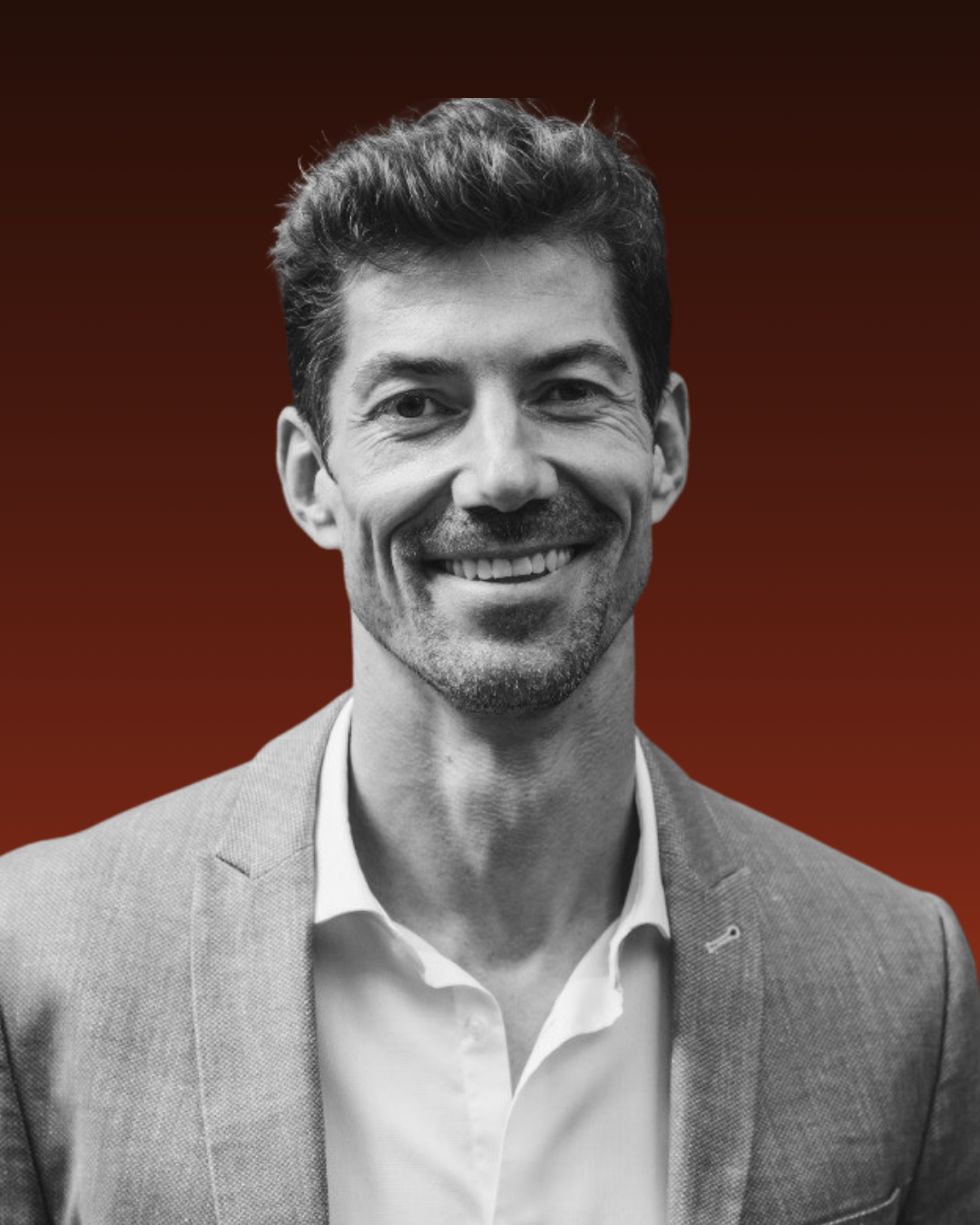
- 11:40 – 11:55KeynoteAuditorium StageAI For Builders
Keynote 42 - SaaSApocalypse in the era of AI Agent
AI agents are rewriting the rules for the entire SaaS industry. Tools we paid monthly subscriptions for can now be recreated by an agent in minutes — and increasingly, users don't want to click through an interface at all; they just want to issue a command. Is this the end of SaaS as we know it? In this talk I'll show why the classic "feature-for-subscription" model is running out of road, and what that means for anyone building software today. I'll speak as a practitioner — drawing on lessons from running my own SaaS products — about shifting our thinking from "ship more features" to "build value an agent can't replicate." A central theme will be sovereignty: in a world where your product talks to AI agents and your data flows through models you don't own, who actually controls the customer relationship, the data, and the value? I'll argue that digital and data sovereignty become the real moat — the thing that separates companies that get commoditized by agents from those that own their future. You'll leave with a concrete map: which business models are most exposed, where new opportunities are opening up, and how to prepare your product today for a world where the first user of your app is an AI agent, not a human.
Mike Korba
- 12:00 – 12:25DemoDemo RoomAI Foundations
Demo 21 - From Dashboards to Decisions: Building AI-Powered Analytics on Top of Modern Data Platforms
AI is transforming how businesses interact with data, but successful AI initiatives start long before an LLM is introduced. Without reliable data foundations, even the most advanced models become expensive sources of incorrect answers. This session explores how modern analytics platforms can evolve from traditional dashboards into AI-powered decision-support systems. Using a real-world architecture journey, we compare fragmented reporting environments with a centralized data platform built around a data warehouse, semantic layer, and self-service analytics. We will discuss why data architecture determines the practical limits of AI adoption, how to design data flows that create trust in analytical results, and how agent-based interfaces can make data more accessible to business users. Rather than replacing analysts, AI agents act as a natural interface between people and data—automating routine investigations, accelerating insight discovery, and helping organizations answer questions such as “Why did sales decline last month?” in seconds instead of hours. The session concludes with a live demonstration of an LLM-powered analytics agent working on top of a governed data platform.
VIKTORIIA KNIAZEVA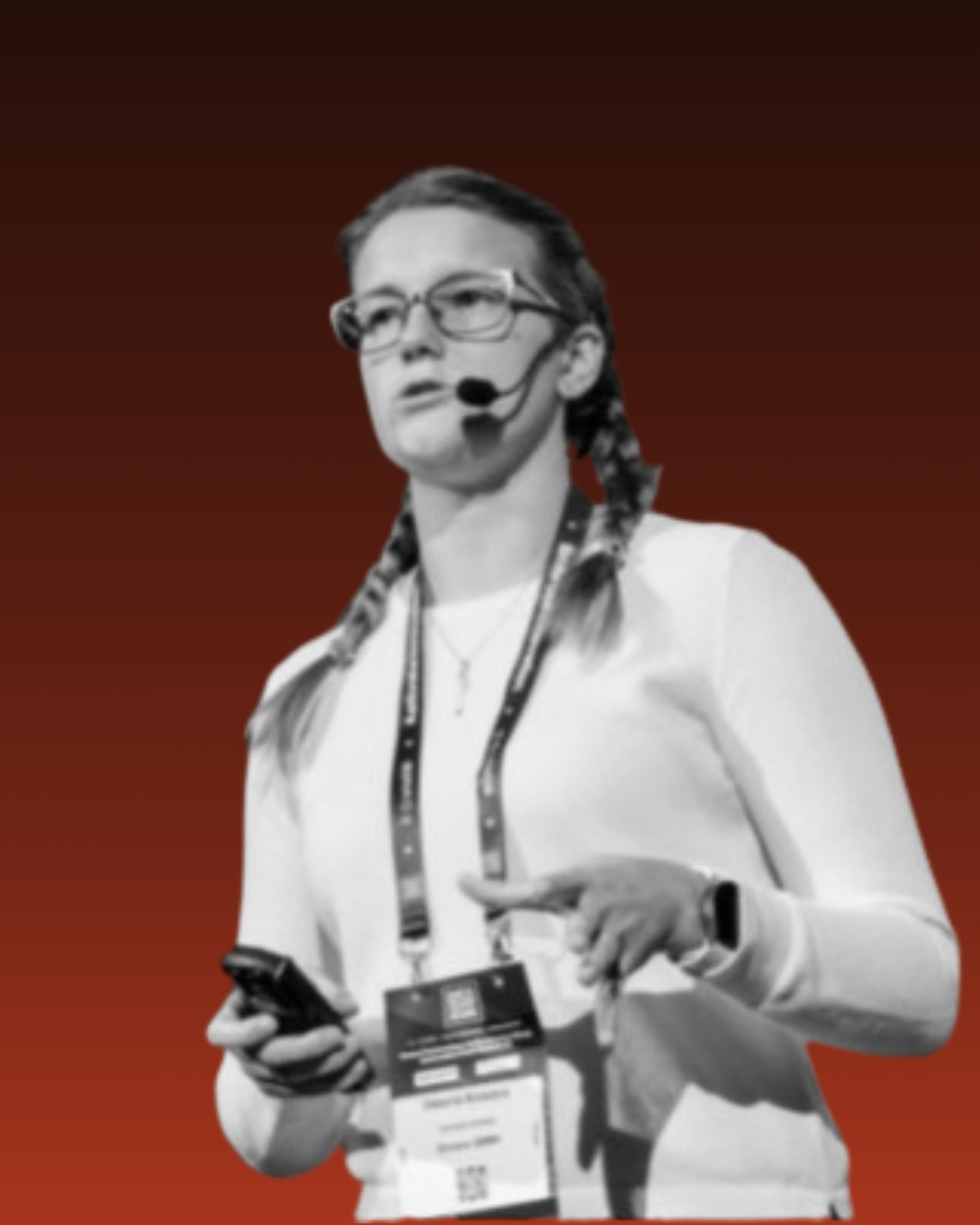
- 12:00 – 12:15KeynoteMain StageAI For Today
Keynote 43 - The 10x Enterprise: Scaling AI Platforms for Compound Value
While base models advance with every quarterly update, most enterprise AI agents remain trapped in proof-of-concept purgatory. The core bottleneck is no longer intelligence, which can be easily rented off the shelf, but the non-rentable foundation: deep domain context, persistent memory, action rights, continuous evaluation, and real-world agent governance. This infrastructure represents the custom platform layer every organization must own to unlock true enterprise scale. In this session, Arvand breaks down the architectural blueprint for the next-generation AI platform, outlining what to rent, what to build, and precisely where to start to drive compound value.
Arvand Modarresi
- 12:00 – 12:55DebateAuditorium StageAI Foundations
Debate 3 — Sovereign AI or Surrender? Should Europe Stop Outsourcing Its AI Future?
Europe is building 13 AI Factories, funding Mistral and Aleph Alpha, demanding open weights, and writing the world's strictest AI law. Yet 90% of European AI compute still runs on AWS, Azure and GCP, and the foundation model leaderboards are American and Chinese. So is sovereign AI the project of the decade for European strategic autonomy — or an expensive industrial-policy fantasy that taxes EU founders without producing winners? One debater says Europe must stop renting its future. The other says we already lost — partner up and accept it.
Damien Acheson, Justin Strharsky +5 more

 +3
+3 - 12:15 – 12:55PanelPanel StageAI For Today
Panel 14 - Money, Reinvented: AI Agents, Stablecoins & the Future of Finance
Agents that pay, tokenized rails, banks racing fintechs to deploy AI under the world's strictest rules. The people building the future of money on what's real and what's next.
Anya Nova, Reema Gill +1 more

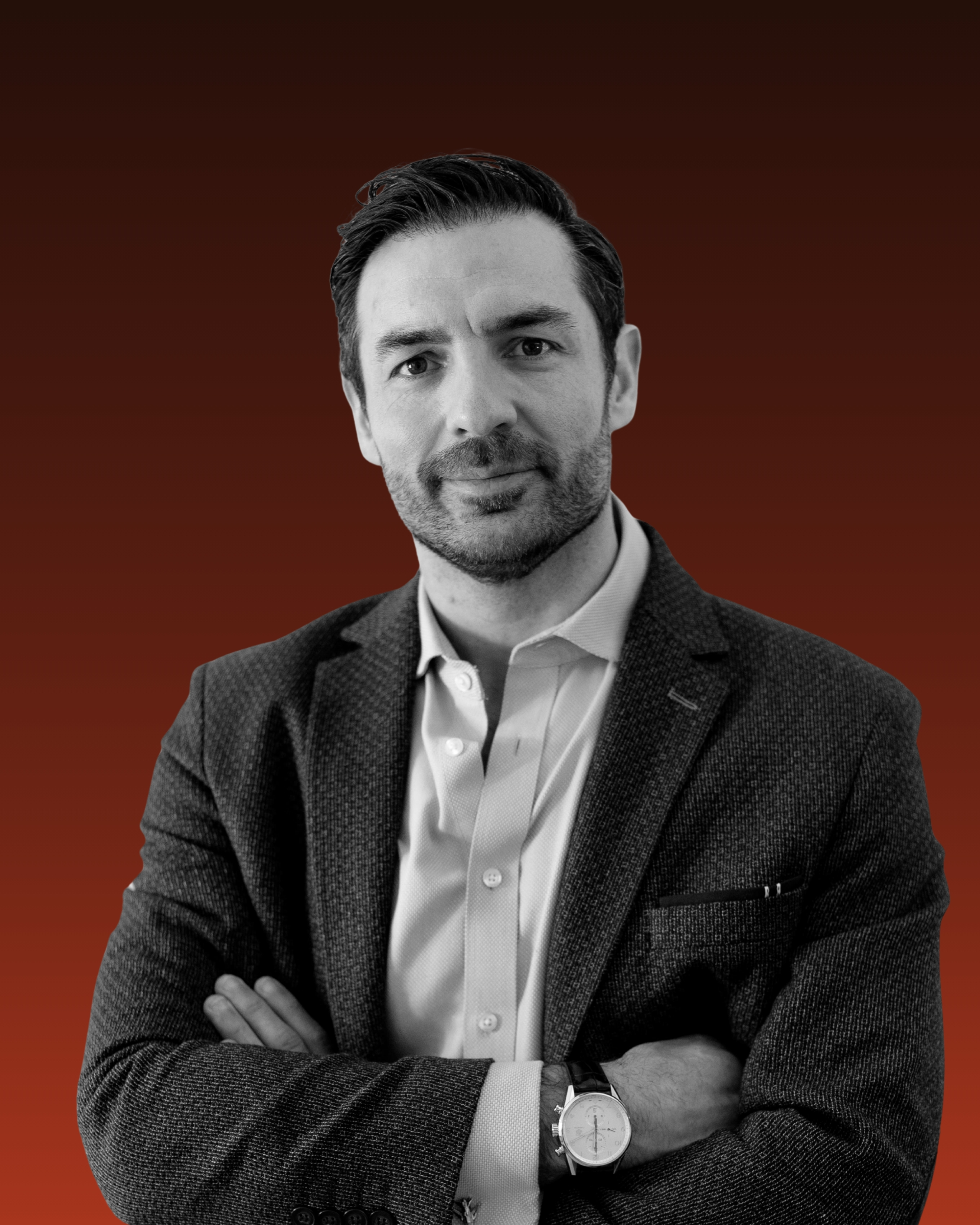
- 12:20 – 12:35KeynoteMain StageAI For Tech
Keynote 44 - Your User Is Asleep at 3am. What Is Your Agent Allowed to Do?
Almost every agent at this conference assumes there's someone there to answer it. Ours often can't be: the traveller is in the air, asleep, or standing at a gate at three in the morning. That changes what you have to build. A booking isn't a transaction — it's a workflow that can break for weeks. Something has to hold the problem until it's resolved, know what it's allowed to do without asking, and know when to wake a human instead. Tyler Foster, CPTO at BizAway, on how a trip is modelled so that one delayed flight invalidates everything downstream of it, where the line sits between what an agent decides alone and what it escalates to a person, and what six months of defect data across two codebases decided about how much we were willing to let it do unattended.
Tyler Foster
- 12:30 – 13:30Sponsor SessionsSponsor Rooms
Deploying AI Across the Workforce with Gemini Enterprise, by Google Cloud
Move beyond passive search and rigid assistants. In this session, you will discover how any employee can build custom AI agents, automate workflows across your existing stack, and establish the governance layer needed to scale securely across the organization with Gemini Enterprise
- 12:30 – 12:55DemoDemo RoomAI For Builders
Demo 22 - Leverage AI to Build MVPs fast
Compress your time-to-market by building and shipping functional MVPs in days using AI coding assistants, code generation, and rapid prototyping pipelines. Focus on validating demand early and iterating fast while adopting AI-native execution to automate development workflows and significantly increase output. At the same time, design with scalability in mind from day one so your product can grow without rework. This is an end-to-end approach to build, test, and scale products at startup speed.
Enrique Calvo
- 12:40 – 12:55KeynoteMain StageAI For Good
Keynote 45 - Greener AI is possible: the decisions behind Ecosia's AI products
Ecosia is a search engine owned by a foundation. It can't be sold, it will never go public, and 100% of its profits go to climate action. We built generative AI without pretending the costs weren't real but knowing Greener AI was not impossible. The decisions behind a lighter-footprint AI and a genuine European competitor to Big Tech.
Laura Tissot
- 13:00 – 13:15KeynoteMain StageAI For Today
Keynote 46 - The AI Enterprise Value Gap
AI capabilities are growing at an unprecedented pace, with a never ending flow of new models that beat every single benchmark. However, enterprise value barely reflects this, and most AI initiatives fail to reach production and provide measurable impact, generating a gap between the technological capabilities available, and how much enterprises benefit from them. This talk explores why that gap exists, why it's no longer a technology problem but an execution problem, and how Aily Labs, with their Decision Intelligence App turns intelligence into faster decisions, better operations, and real P&L impact
Jaime Zornoza
- 13:00 – 13:15KeynoteAuditorium StageAI For Builders
Keynote 47 - AEO (Answer Engine Optimization): The Critical Growth Channel
AI Visibility (appearing in AI recommendations) is imperative amidst the current decline in search traffic. Understand the nature of the moment and what you can do to take advantage of it.
Scott Dodson
- 13:00 – 13:25DemoWorkshop Room AAI For Builders
Demo - The Infinite Remix
What happens to the value of a website, a product, or even a song, when generating another version becomes almost effortless? Sadek Drobi (Founder & CEO, Prismic) follows that question from an AI music experiment into the way Prismic is building products and autonomous loops. The answer is not to generate more stuff, but to define what must survive every regeneration: your intent, opinions, goals and understanding of your community. Companies that capture these with enough depth won't just keep pace with the models, they'll evolve alongside them.
Sadek Drobi - 13:00 – 13:25DemoDemo RoomAI For Builders
Demo 23 - AI for data analytics
In this session we will cover how the data analytics has been impacted by AI and get a glimpse of a possible future in agentic analytics.
Christophe Blefari
- 13:00 – 13:40PanelPanel StageAI For Good
Panel 15 - Who's Really Deciding? Human Agency in the Age of AI
An algorithm nudges what your kid reads before bed. A hiring filter decides who a recruiter never sees. A health app flags what's wrong before your doctor does. None of this is speculative — it's this year's default UX. As AI mediates more of daily life — work, health, relationships, money, parenting — how much control do people actually keep, and how much do they just assume they still have? Voices from product, psychology, and policy separate where human agency genuinely holds from where it's already quietly gone. 40 minutes.
Laura Sibony, Don Kilburg +3 more
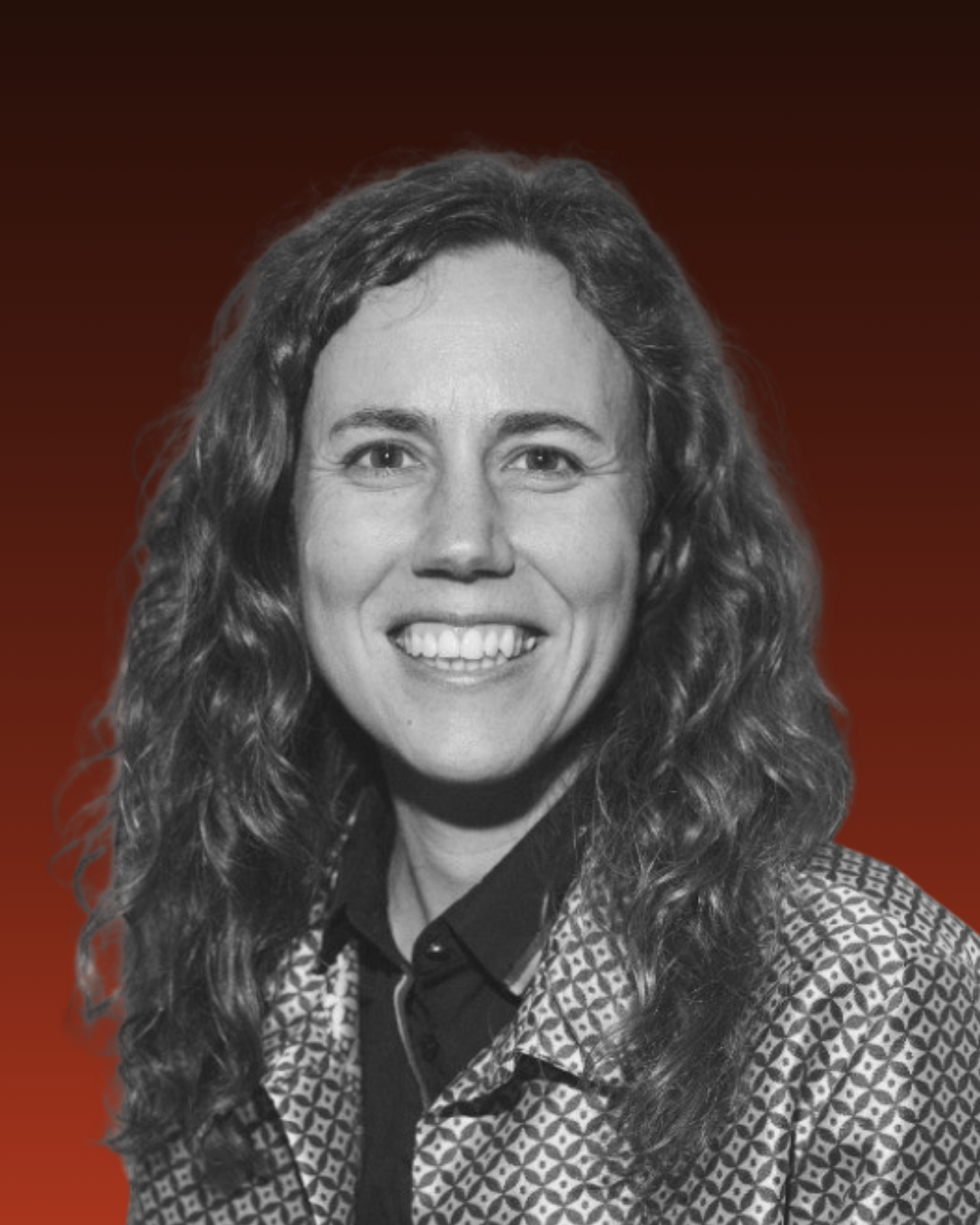
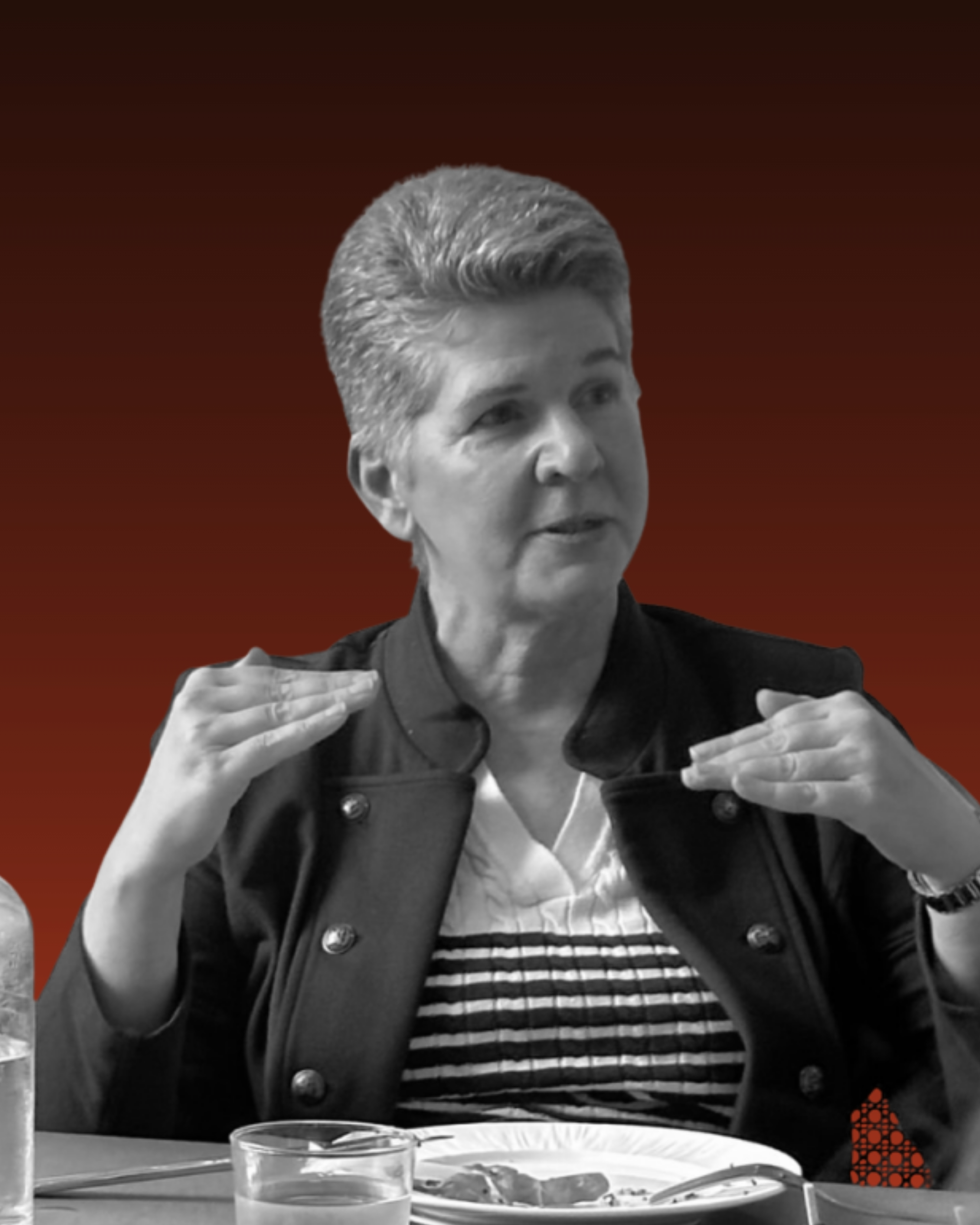 +1
+1 - 13:20 – 13:35KeynoteAuditorium StageAI For Tech
Keynote 49 - Tokens, Latency, Sovereignty: The Physics Pulling AI to the Edge
John Roche
- 13:20 – 13:35KeynoteMain StageAI For Tomorrow
Keynote 48 - From AI Agents to Enterprise Impact: Build, Govern and Scale with Dataiku
AI agents are moving fast from experimentation to real business applications, but building them is only part of the challenge. In this session, Wided Boutar, Director Solution Engineering at Dataiku, will show how Dataiku enables organizations to turn business needs into AI-powered applications and agents, connecting enterprise data, predictive models, GenAI, and business rules within a single governed environment. Through a concrete use case, discover how teams can build faster while maintaining the control, transparency, and observability needed to scale agentic AI.
Wided Boutar
- 13:30 – 13:55DemoDemo RoomAI For Builders
Demo 24 - Cybercoding in Live Action: Securing a Legacy Application
Modernizing Enterprise Software: The Cybercoding Methodology In an era defined by accelerating cyber threats and stringent European regulatory demands—specifically NIS2 compliance for all B2B SaaS platforms—traditional application refactoring is no longer viable. Cybercoding shifts the paradigm by enabling organizations to transform any legacy asset—regardless of the original programming language, or even starting from raw documentation, UI screenshots, and functional requirements—into a modern, secure, enterprise-grade application in under a day. 1. Comprehensive Legacy Reverse-Engineering The process begins with an automated deep-dive analysis of the existing estate: Functional & Business Rule Extraction: Reverse-engineering core domain logic, user workflows, and implicit business rules directly from the source code, legacy specs, or visual assets. Security & Vulnerability Audit: Complete static (SAST) and dynamic (DAST) code analysis to identify legacy CVEs, OWASP Top 10 vulnerabilities, and architectural flaws. Database Schema Mapping: Parsing existing database models and translating them into modern ORM interface definitions (e.g., Prisma) to ensure structured data evolution without ad-hoc patches. Dependency & Screen Analysis: Auditing third-party libraries, code obsolescence, and UI component trees to generate technical reports alongside next-generation HTML mockups for every screen. 2. Specification Engineering: The Coding PRD & Skill-Gated AI Once the legacy estate is mapped, the system generates a structured Product Requirements Document (PRD) that serves as an immutable contract for the generation engine: Skill-Driven AI Coding: Code generation is strictly bounded by dedicated Waka Skills hosted in Git repositories. These skills constrain the AI, preventing code drift, hallucinations, or unapproved architectural patterns, and ensuring full alignment with the target technology stack (e.g., TypeScript, NestJS, Next.js). Native Enterprise Guardrails: Built-in enforcement of security management, token handling, multi-tenancy models, fine-grained RBAC matrices, and automated design systems (including dark mode) directly within the PRD. 3. End-to-End Test Orchestration & Infrastructure Alignment To guarantee complete functional parity and total integrity throughout the rewrite: Automated Test Suite Generation: Test suites are derived directly from the legacy source logic and re-executed against the target application to verify end-to-end consistency and prevent functional regression. Spec-to-Code-to-Infra Alignment: Perfect synchronization between application specs, generated microservices (Frontend, Backend, API), and the target deployment environment (Kubernetes pods, object storage, managed databases). 4. Regulatory Compliance & Cyber Resilience By unifying automated analysis, skill-constrained AI generation, and target infrastructure provisioning, Cybercoding condenses multi-month refactoring projects into a matter of days: Out-of-the-Box Compliance: Delivered applications natively meet ISO 27001 and NIS2 security standards. Proactive Security Posture: Eliminates historical technical debt and critical vulnerabilities, ensuring B2B SaaS platforms are resilient against modern cyberattack vectors.
Denis Schirra
- 13:30 – 14:50WorkshopWorkshop Room AAI For Tech
Workshop 15 - Not your weights, not your brain!
Room full? This workshop is also streamed live in Workshop Room B at the same time. Can open models drive your agentic needs? This session explores the current state of open AI, including local AI. It then goes on to examine how to incorporate open models to your workflow. Open models come in many flavors and sizes: from large near-frontier behemoth models, to small models that can run on your laptop. We'll show when best to use each, and how to integrate them with your favorite tools for conversational and agentic use cases. We'll further explore how quantization libraries such as llama.cpp and MLX allow large models to run locally, achieving more control, total privacy, low latency, no cloud costs.
Pedro Cuenca
- 13:30 – 14:50WorkshopWorkshop Room BAI For Tech
CancelledWorkshop 16 - "Who Owns What AI Made? A Practical Framework for IP, Compliance, and Trust in AI-Driven Creative Work"
Every AI-generated asset your team produces today carries a question nobody wants to answer under deadline pressure: Who owns it? What does the EU AI Act require? And did the tool you used just quietly claim rights to your client's brief? This talk cuts through the ambiguity. Drawing on real-world implementation experience, David Lahoz Martín walks through a practical framework for protecting intellectual property in AI-assisted work, covering three areas that are usually handled separately and shouldn't be: IP protection and provenance, compliance with the EU AI Act and overlapping privacy regulations, and the often-overlooked terms of service obligations buried in the AI tools themselves. The result is a working framework agencies and brands can apply across every phase of the creative process, from prompt to publish, giving both your company and your clients a defensible answer when someone finally asks the question.
David Lahoz Martín
- 13:40 – 13:55KeynoteAuditorium StageAI Foundations
Keynote 51 - Memory in AI systems - Why state is the missing keystone
When your agent decides something is worth remembering past its current session, where does that write go today, and how is it retrieved? We will discuss how data layers and agent state memory are critical to scalable, productionised agentic workflows.
Bernard Kavanagh
- 13:40 – 13:55KeynoteMain StageAI For Today
Keynote 50 - AI at Damm: Real-World Use Cases from a 150-Year-Old Company
Laura Gil
- 14:00 – 14:40PanelPanel StageAI For Builders
Panel 16 - The New Gatekeepers: Brand Visibility in the Age of AI Search
Zero-click search is here: customers ask AI, not Google. How GEO is replacing SEO, what happens to your website when agents do the browsing, and who wins when LLMs decide what gets seen.
Daniel Espejo, Antoine Heftler +2 more



- 14:00 – 14:25Use CaseMain StageAI For Today
Use Case 9 - RATP Group: Governing AI Agents in Front of 16 Million Passengers a Day
RATP Group is the 3rd largest urban transport operator in the world. Learn how they run AI agents in production across multiple use cases, all through a single governed entry point. Matthieu Klotz, Data Architect and Head of Exchange Platforms at RATP, and Jorge Ruiz of Gravitee walk through the three patterns behind it. An LLM proxy gives every application one authenticated door to approved models, with quotas and cost tracking per use case. A custom agent grounds answers in current documents. And an MCP proxy exposes RATP's own APIs as tools, so agents act on live data with per-tool authorization and full traceability.
Jorge Ruiz, Matthieu Klotz

- 14:00 – 14:15KeynoteAuditorium StageAI For Tomorrow
Keynote 52 - Orbio
Antonio Melé
- 14:00 – 14:25DemoDemo RoomAI For Builders
Demo 25 - Shifting Gears: A Practical Guide to Adopting Spec-Driven Development
As AI coding agents become mainstream, engineering teams are discovering a new problem: freestyle AI generates code without traceability. When the AI writes the code directly from a prompt, how do you answer, "Why was this built this way?" In this session, we will explore Nuvolar's pragmatic journey to Spec-Driven Development (SDD) using the OpenSpec framework. By placing a structured layer of documentation between human requirements and AI output, we transformed our engineering workflow. We will walk through our customized open-spec lifecycle. Most importantly, we will highlight how to keep humans in the driver's seat. You will learn how we implemented mandatory gates to ensure engineers own the architecture and mitigate risks, while the AI agent handles the boilerplate. Finally, we will share our hard-won lessons on what didn’t work, what did and where do we go to now!
Pere Martí, Gerard Auguets Pulido

- 14:20 – 14:35KeynoteAuditorium StageAI For Good
Keynote 53 - The Wrong Question: Why Human-in-the-Loop Is No Longer Enough
Human-in-the-Loop has become a technical checkbox: a person somewhere in the pipeline, approving outputs. Alia Zafar argues that is the wrong question. The decisions that determine how AI reshapes work, inequality, climate and national competitiveness are not made in the loop. They are made in governance, and largely by whoever holds the technology, the capital and the infrastructure. Drawing on three decades across banking, energy, telecoms and international development, she sets out a practical framework for keeping people at the centre of AI transformation: where oversight actually has to sit, which risks are being consistently underweighted, and what intentional governance looks like inside an organisation rather than in a principles document.
Alia Zafar
- 14:30 – 14:55Use CaseMain StageAI For Good
Use Case 10 - From Wrong Parts to Right Revenue: AI-Driven Spare Parts Identification in Manufacturing
To be announced...
Anna Lukasson-Herzig, Frank Gomez
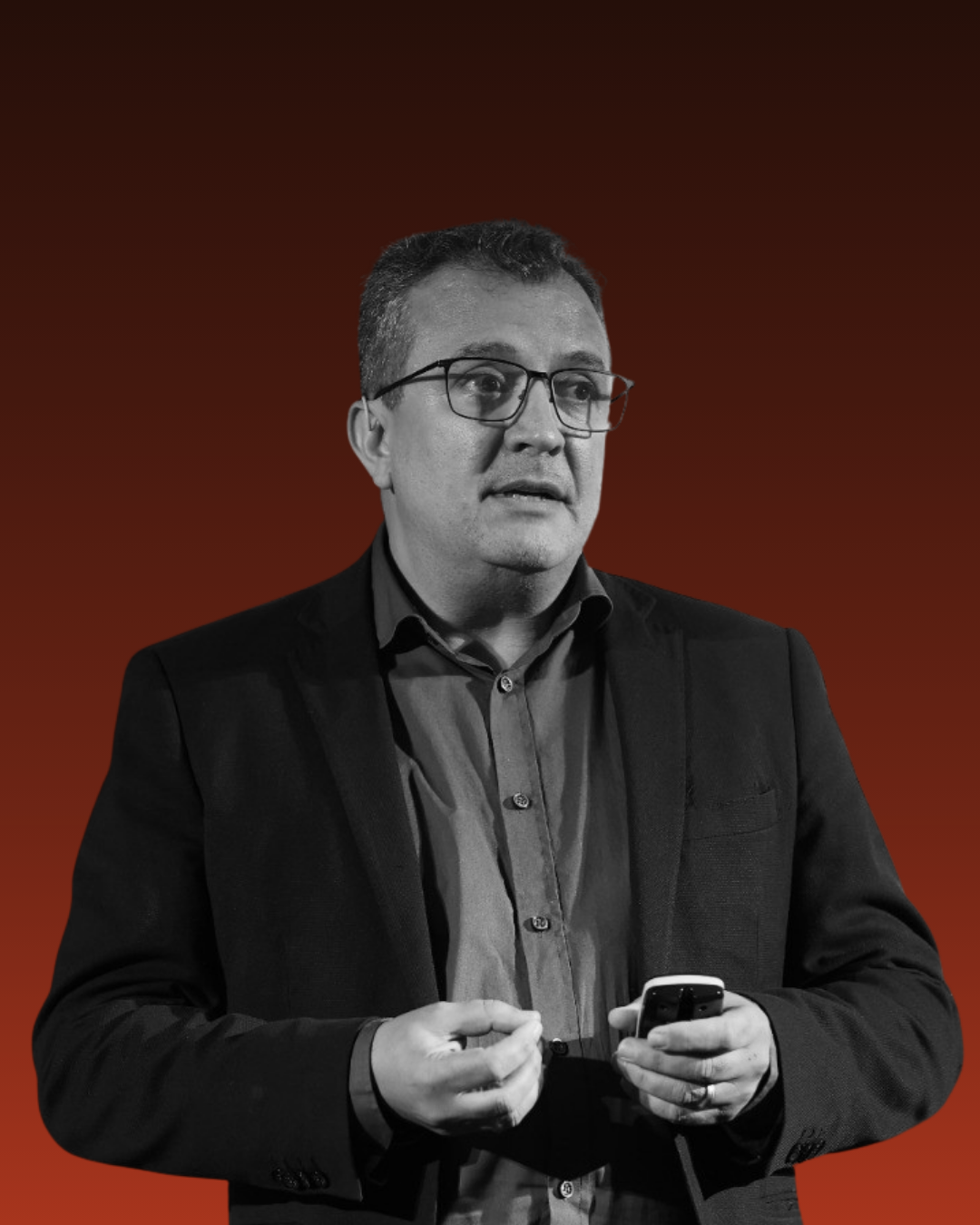
- 14:30 – 14:55DemoDemo RoomAI For Builders
Demo 26 - The AI Founder's Diary: 16 Months of Building AI-First Companies
Vincent Jong has spent the last 16 months testing whether one person can build a real company with AI. The result: three products launched solo. One is flat, one is growing, one one he shut down. In this session he walks through what actually happened. The real numbers (revenue, costs, time to launch), which growth channels failed and which worked, and where AI turned out to be useful versus where it was no help at all. The short version: building got 10x easier, selling didn't. But there's more to it. Vincent is a 7x founder, former CPO / Product leader at Leadfeeder and ZoomInfo, and now builds companies at Poolside Ventures. If you're building with AI or thinking about starting something, come steal 16 months of lessons in 30 minutes.
Vincent Jong
- 14:40 – 14:55KeynoteAuditorium StageAI For Builders
Keynote 54 - Your AI Can Write the UI. This Makes Sure It Writes Your UI.
AI agents build UI by imitating what already exists in your codebase. If your repo holds design debt, your AI will multiply it. Learn how npx roast-my-design-system, an open-source deterministic auditor and MCP server, measures system health, generates ready-to-run fix prompts for instant cleanup, precise agent rules, and keeps AI code generators strictly on-system at enterprise scale.
Greg Kozakiewicz - 14:45 – 15:25PanelPanel StageAI Foundations
Panel 17 - AI vs AI: Deepfakes, Detection & the Trust Gap
Deepfakes and automated attacks are getting cheaper faster than defences are catching up. What detection can actually catch today, what it takes to prove an AI system can be trusted, and how far a supervisory authority can reach. Fighting AI with AI, from the detection lab to the audit.
Quentin Cozette, Xavier Valero +3 more


 +1
+1 - 15:00 – 15:25Use CaseMain StageAI For Today
Use Case 11 - When we crashed our AI Interviewer and Amplitude saved our lives
Bruno Barbagli, Dani Diestre Tomas

- 15:00 – 15:25DemoDemo RoomAI For Today
Demo 27 - Future of healthcare AI
Matěj Misař is one of the leading voices driving the real-world implementation of artificial intelligence in healthcare across Central and Eastern Europe. While many still view CEE as a “catch-up region,” the reality may surprise you. Some countries in the region have already achieved up to 89% AI penetration across radiology departments. Others are launching national AI tenders across hospital networks, building reimbursement frameworks, and turning AI from innovation into standard clinical practice. Behind this momentum stand local heroes: healthtech companies from CEE now deploying AI solutions in hospitals across Europe, Asia, and the Middle East. Who is driving this transformation, and what can the rest of Europe learn from it? Matěj Misař, healthcare AI advisor to multiple ministries, chairman of the healthcare group of the Czech Association of Artificial Intelligence, and CEO of Carebot, the most widely deployed clinical AI platform in CEE, will reveal why the future of healthcare AI may be built faster in Prague, Warsaw, Budapest, or Sofia than many expect.
Matej Misar
- 15:00 – 15:15KeynoteAuditorium StageAI For Builders
Keynote 55 - Why most AI GTM fails (and what's converting instead)
Many AI products impress in demos but stall in adoption. This talk explores the gap between technical possibility and commercial traction: the buyer signals that matter, the pricing and positioning shifts that unlock budget, and the product traps that quietly kill deals. A grounded, operator-level view on AI go-to-market in 2026.
Sharon Klaver
- 15:00 – 16:20WorkshopWorkshop Room BAI Foundations
Workshop 18 - Futures workshop. Coming of Age 20/40
Coming of Age 20/40 invites you to an exploration of the future and challenge your thinking to go beyond the current mode of using AI. You will meet four young Europeans from 2040 — Rowan, Nova, Cypher and Zane. You can talk to them about their lives through Orbs, voice-driven AI devices built around large language models. You can even discover their most personal belongings in their backpacks. People from the future, synthetic personas or LLMs? The session does not resolve that ambiguity. Try a new way of interacting with an AI, without screen, prompt box, private exchange. A whole group talks to one AI at once, aloud, through physical objects in the room. This is a session for exploring. Come with questions. Expect to leave with better ones.
Orsi Nagy
- 15:00 – 16:20WorkshopWorkshop Room AAI For Builders
Workshop 17 - BizAway Lab: Harness Building: Build a full-featured travel app with us
We’re handing you the keys to a working BizAway travel client, and the harness to build on top of it. Login is ready to go; everything after that is a sandbox designed for you to extend, automate, and customize. You'll start with a high-level prompt and a solid harness structure, then end the session with a production-ready travel web app that’s unmistakably yours. Your name on it, your look, your calls. Nobody leaves with the same build. Level: Beginner to intermediate. If you're comfortable in a terminal and can read code, you're set. No frontend background needed. What to bring - Cursor or VS Code with GitHub Copilot (active agent subscription required). - Node.js 20.9+ (22 LTS recommended) installed for local execution. We'll provide workspace access and demo credentials when you arrive. Having your tools installed and authenticated ahead of time means more time spent building.
Francisco Benítez Benavides
- 15:20 – 15:35KeynoteAuditorium StageAI For Tomorrow
Keynote 56 - The Real Disruption isn't AI. It is Human Intelligence.
AI is changing how organisations work, but the deeper shift is human. Myriam Ben Farhat, VP of People Experience & Inclusion at Chess.com, on why human and emotional intelligence, leadership and organisational culture decide whether AI transformation actually works, and what that asks of the people leading it.
Myriam Ben Farhat
- 15:30 – 15:55Use CaseMain StageAI For Builders
Use Case 12 - Data, Context, and Intelligence: How Uberall Built an Agentic Planning Architecture with Pigment
Join Anselme Vignon (Pigment) and Jose Ramon Iglesias (Uberall) to discover how Uberall transformed its FP&A processes using Agentic AI. This session explores the winning formula of "Data + Context + Intelligence," revealing how Uberall solved the missing piece of the AI puzzle to achieve over 95% accuracy in their automated reporting and analysis. Learn how to build a secure, multi-agent architecture that combines custom enterprise context with Pigment's governed compute engine, allowing your team to move from slow, quarterly cycles to live, agile decision-making.
Anselme Vignon, Jose Ramon Iglesias

- 15:30 – 15:55DemoDemo RoomAI Foundations
Demo 28 - How to reach 10M€ ARR in 5 years self funded with a family business ?
Leexi was founded in late 2021 by Xavier Lombard, his wife and two sons, born from a simple frustration: the value created in professional meetings disappears without a trace. In five years, the company reached 10M€ ARR entirely self-funded, refusing multiple VC offers — including a 15M€ valuation from Volta Ventures — to preserve independence, culture and long-term decision-making. The formula: obsessive product depth (350+ features), European data sovereignty as a structural moat, zero churn culture (one resignation in four years), and a discipline that turned every euro of revenue into the next hire. The lesson is not about family — it's about alignment: when founders share the same values, the same roof and the same long-term vision, they move faster, decide better, and build something that lasts.
Xavier Lombard
- 15:30 – 16:10PanelPanel StageAI For Good
Panel 18 — BlueTechPort: Shaping Responsible AI for the Blue Economy
AI needs more than algorithms and computing power. It depends on physical infrastructure — energy, water, data centres and connectivity — but also on governance infrastructure: regulation, institutions, trust and the right market incentives. In the blue economy, where innovation must go hand in hand with environmental sustainability and human well-being, responsible AI is not an aspiration but a condition. Bringing together research, industry and governance, this BlueTechPort panel explores how we can build the conditions for AI to innovate, scale and create long-term public value
Ruben Hernandez, Pablo Bou +2 more



- 15:40 – 15:55KeynoteAuditorium StageAI For Builders
Keynote 57 - Everyone Is 10x. The Company Isn't.
A year ago, getting developers to use AI was the hard part. It isn't anymore. Give them agents, and they'll use them: three to five each, chosen per task, every choice defensible on its own. What breaks now is everything around them. Knowledge stays trapped in whichever tool produced it. Spend is visible per tool, not per piece of work. Policies cover some agents and not others. Work stops at every handoff. Artem Khvastunov leads Professional Services at JetBrains. This talk is one engagement in detail, the hardest one his team has run so far. The organization in question: 3,000+ people, twenty-six years of products, ownership boundaries drawn long before agents existed, and a culture where nothing is ever adopted by decree. AI spend rose roughly tenfold in six months, and answering one basic question — what did this piece of work cost us — took four days of manual spreadsheet work. Standardizing on a single AI tool was the obvious fix and the wrong one. What worked instead, and how much of it transfers.
Artem Khvastunov
- 16:00 – 16:25Use CaseMain StageAI For Tech
Use Case 13 - Coding with AI - The good, the bad and the ugly
Everyone knows Claude Code. Codex, too. But what happens when you actually try to build with them inside a big company? That's where the difficulties appear — out of nowhere. What we learned is that two things make the difference: fundamentals, and visualization. Let us show you what worked for us — and what shook our foundations along the way.
Jan-Philipp Tebbe, Javier Cuadra

- 16:00 – 16:25DemoDemo RoomAI For Builders
Demo 29 - Experiencing the Spanish AI Act Sandbox
We’ll be sharing InfoJobs’ lessons learned from participating in the Spanish AI Act Sandbox. We will explain how the Sandbox was structured, look at the guidance and tools provided by the experts, and show the High Risk adaptation framework proposed during the initiative.
Anna Via
- 16:00 – 16:55DebateAuditorium StageAI For Growth
Debate 4 — The 2027 Crash: Is AI the New Dot-Com Bubble?
$500 billion in AI capex this year alone. NVIDIA at a $4-trillion market cap. Startups raising $1 billion before product. And a chorus of investors, economists and former bulls now whispering the b-word. Is AI the most important infrastructure build of the century — worth every dollar — or the largest mispricing of risk since 1999, with the 2027 hangover already booked? The closing debate of AI Summit Barcelona puts a believer and a sceptic in the ring while the audience decides whether to ride the wave or run for cash.
Damien Acheson, Roger Almuni +5 more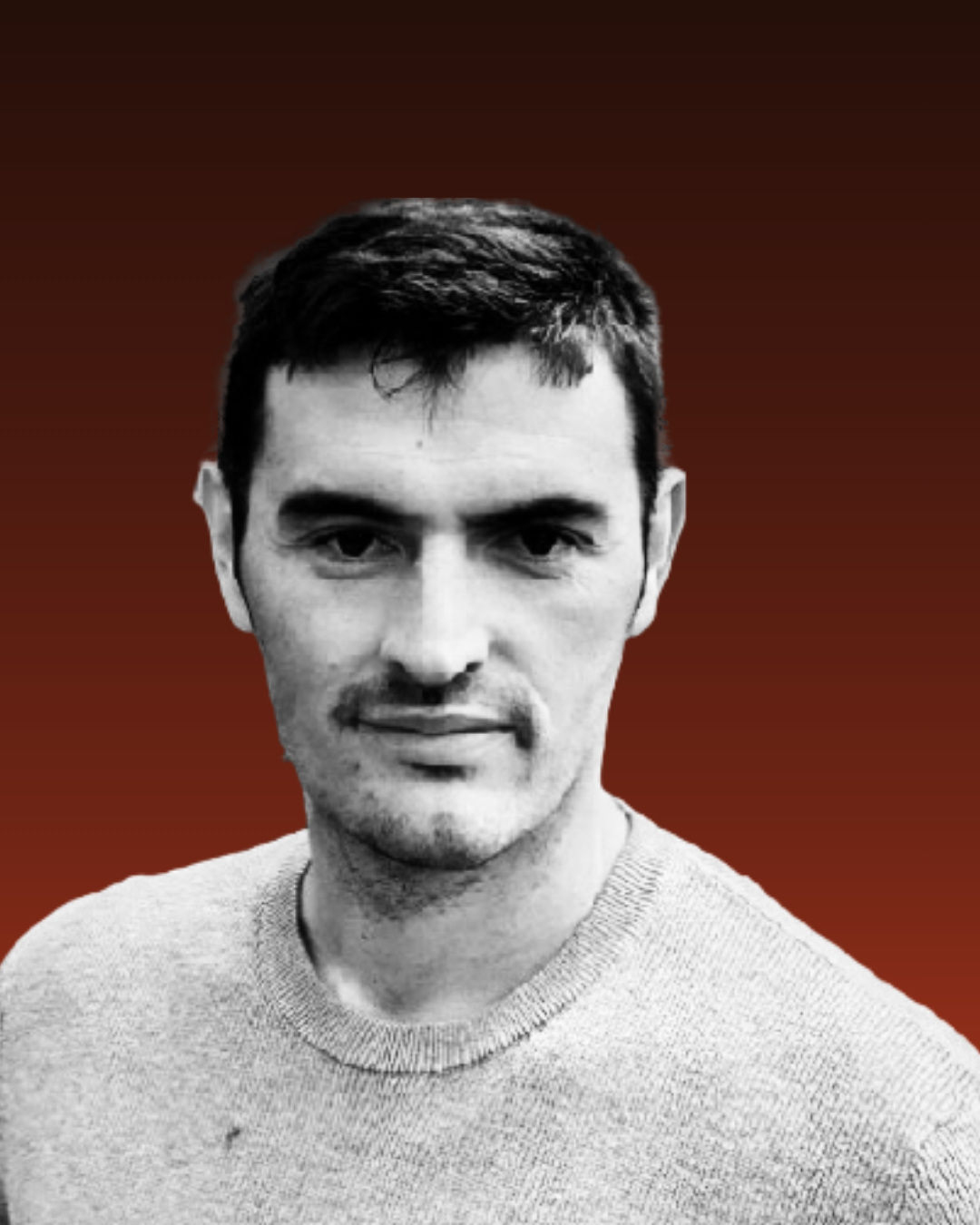

 +3
+3 - 16:15 – 16:55PanelPanel StageAI Foundations
Panel 19 - From BSC to Brussels: Europe's Supercomputing Bet on AI
Frontier AI runs on supercomputers — and right now, Europe is on a building spree. The AI Factories initiative is wiring 13 supercomputers across the continent. Barcelona's MareNostrum 5 already sits in the global top tier. National centres are competing for GPUs, talent and political backing, on the bet that sovereign compute means sovereign AI. But does it? We bring together the people running Europe's biggest AI compute infrastructure, the policymakers funding the push, and the startups and researchers actually trying to use this hardware — to ask whether Europe is building real industrial capacity or expensive symbolism, who gets access, how it stacks up against the hyperscalers, and what the next five years of European AI infrastructure actually look like.
Ziad Matar, Diego Perino +1 more


- 16:30 – 17:50WorkshopWorkshop Room BAI For Tomorrow
Workshop 20 - How to write a rubric properly
In this workshop, you will learn how to evaluate frontier AI Models. You will create a checklist and have others score a model according to yours. You will learn the properties that separate a real rubric from a plausible ones, and how to balance between difficulty and plausibility.
Marcus Castro
- 16:30 – 16:55Use CaseMain StageAI For Today
Use Case 14 - Rebuilding Conforama Iberia's customer service with AI voice agents
A real production case, not a demo. How Conforama Iberia (XXXLutz Group) replaced an outsourced call center with an AI voice agent — Cora — and a small in-house team, going from 30,000 to 100,000+ calls a month across voice, WhatsApp and web, in nine languages, 24/7. We'll cover: the business challenge; the platform and the integrations that make it work (ERP, marketplace, store data, telephony); the technical problems we hit in production — speech capture, data quality, routing, WhatsApp, guardrails, a second country — and how we fixed them; the weekly tuning loop; the results (answer rate from 46% to 94%, waiting time from 3:55 to 1:10, three out of four calls handled without a human); six lessons for anyone building or buying voice agents; and what comes next: a more autonomous, more proactive agent. Co-presented with Ferran García, CTO of Conforama Iberia.
Xavier Papiol, Ferran Garcia Miracle

- 16:30 – 16:55DemoDemo RoomAI For Tomorrow
Demo 30 - Automated, Augmented or Resilient? A Live AI Task Audit
AI doesn't replace jobs in one go. It takes over tasks, one by one. In Europe, 53% of jobs are already exposed to AI, and many will transform. The most useful way to see where your job is heading is to look at what actually fills your week, not your job title. In this live demo, you'll use a vibecoded app to map your top tasks against what AI can already do. Five quick questions per task will show you which tasks are exposed to automation, which AI will likely augment, and which stay resilient because they depend on your unique human premium. Come and reflect on your professional future before the summit ends!
Magda Kufrej - 16:30 – 17:50WorkshopWorkshop Room AAI For Good
Workshop 19
Rozina Sidhu
- 17:00 – 17:40PanelPanel StageAI For Good
Panel 20 - Fair, Explainable, Accountable: Building Responsible AI in Production
Every company claims their AI is responsible — few can show the audit trail. Bias testing that catches real bias, explainability that survives a regulator's questions, and the governance structures that hold up when a customer, a journalist, or a lawsuit comes asking. Builders and compliance leads on what responsible AI looks like once it's not just a slide in the deck. 40 minutes.
Stephany Oliveros, Nathan Bonnet +2 more



- 17:00 – 17:25DemoDemo RoomAI For Builders
Demo 31 - The Best AI Opportunities Might Be in the Industries Nobody Wants to Build For.
What if the biggest AI opportunities aren’t in the most crowded markets, but in the industries technology has overlooked for years? We’ll share how we went from building AI automations for property management companies to uncovering deeper pain points in a sector still heavily reliant on legacy software, fragmented tools and manual processes. That insight led us to build Wabee, an AI-native SaaS platform designed from the ground up for property and community management. We’ll show how AI became part of the entire journey — from researching the market and challenging our assumptions with Claude to using Claude Code to turn the idea into a working MVP and iterate at a speed that would have been difficult for a small team just a few years ago. Through a live demo of Wabee, we’ll share what AI helped us accelerate, where human expertise was still essential, and what we learned when the product met real users. More than a Wabee story, this session is about how founders can use AI not only to build faster, but to uncover overlooked markets and turn real industry pain into new product opportunities.
Cecilia Oxandabarat, maria Velasco Laprea

- 17:00 – 17:15Fireside chatAuditorium StageAI For Today
Fireside 7 — How a Mortgage Broker Becomes an AI Company
What happens when artificial intelligence moves from being a supporting technology to becoming a core part of a company’s value proposition? This fireside chat will explore how AI is reshaping the mortgage and real estate sector through the experience of a company undergoing that transformation firsthand. We will examine how AI is changing the way value is created for both homebuyers and financial institutions, and how it improves the customer journey, enable new services for banks, and drive significant gains in internal efficiency. Beyond individual use cases, the session will explore a broader question: when does a company that uses AI actually become an AI company?
Ricard Garriga, Josep Maria Ribes Bonet

- 17:00 – 17:25Use CaseMain StageAI For Tech
Use Case 15 - The startups that couldn't exist 18 months ago
Everyone's building voice agents that answer support tickets and book appointments. Far more interesting are the business cases that simply didn't exist before voice AI made them possible. This session is about spotting those - using Autentic, an AI platform for market research, as one example of a company built entirely on a use case audio unlocked. The goal: get you thinking about the innovative products you could build with voice.
Marcos Valera
- 17:20 – 17:35Fireside chatAuditorium StageAI Foundations
Fireside 8 - Everyone Talks AI. Who's Actually Transforming?
AI pilots are everywhere. Real transformation is harder to find. In this fireside chat, Enric Escalé Garrell, Partner at SDG Group, cuts through the AI hype to explore what separates experimentation from meaningful business transformation. Expect real-world lessons, a business-first perspective, and an inside look at how SDG is applying the same transformation principles to itself through SHIFT.
Mike Butcher, Enric Escalé
- 17:30 – 17:55DemoDemo RoomAI For Builders
CancelledDemo 32 - AI Visibility: How Buyers Find You Without Searching
AI is changing how people discover and choose products. This panel breaks down how tools like ChatGPT, Perplexity, and Google AI Overviews decide what to recommend and how brands can actually show up there. Expect practical strategies around content, brand mentions, and distribution that drive pipeline.
Tanya Van Gastel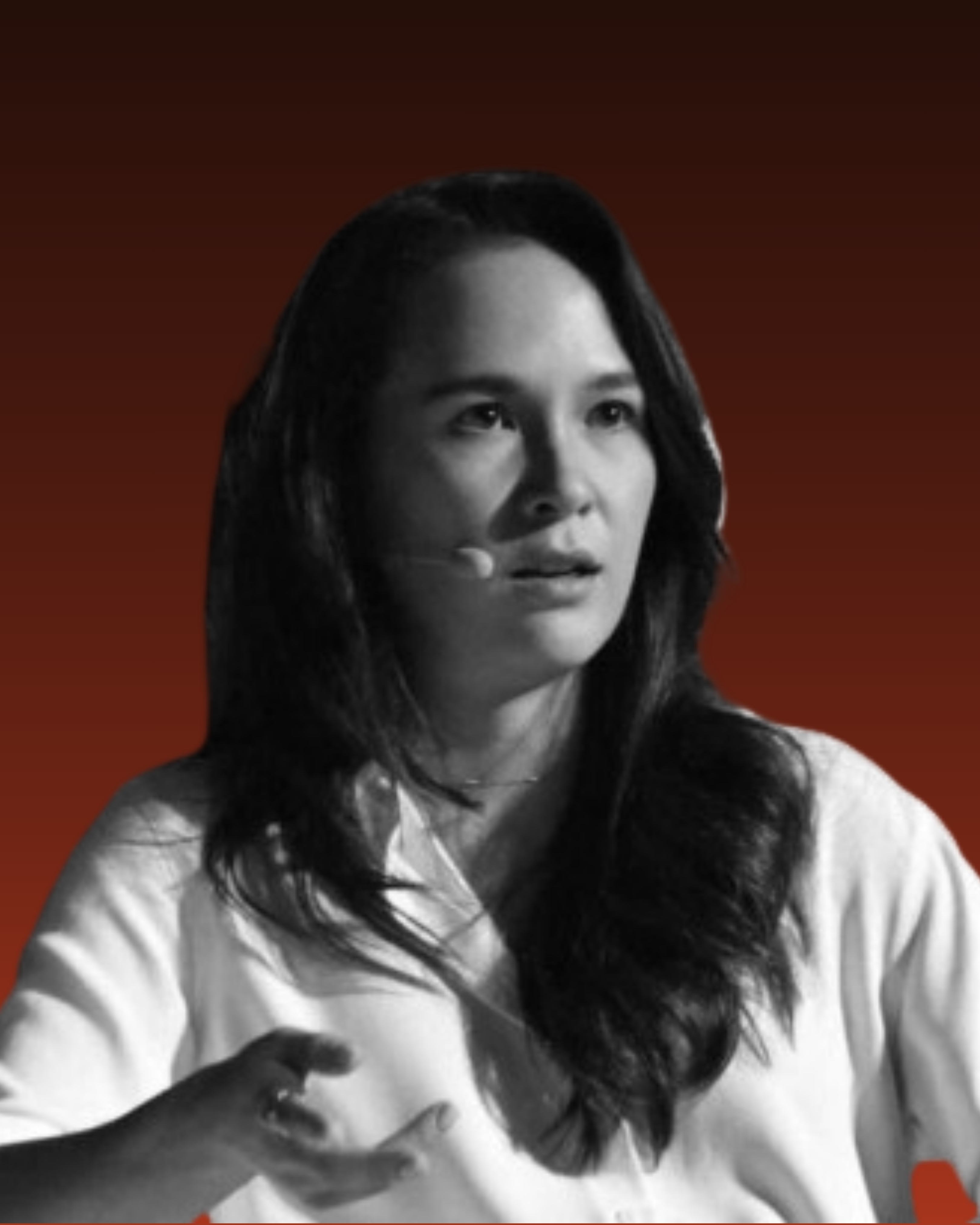
- 17:30 – 17:55Use CaseMain StageAI For Today
Use Case 16 - AI doesn't scale content. It scales identity.
Most teams treat an AI avatar as a production decision: a faster, cheaper way to make video. Livesport built one with Fameplay anyway, and found out it wasn't that at all. AILA now delivers sports content across multiple languages and markets for FlashScore. Alan will share what the automation actually bought Livesport, and why that number matters less than everyone assumes. Anna will walk through what happens once a character gets cast: a decision that turns out to be permanent, and that carries consequences no one planned for, including the discovery that audiences who know an anchor isn't real form a relationship with her anyway. This isn't a talk about tools. It's about what happens to a brand once its voice starts talking back, and why the identity behind it might be the only thing left that can't be copied.
Anna Bohonek, Alan Záruba

- 17:40 – 17:55Fireside chatAuditorium StageAI For Good
Fireside 9 - Barcelona: A Place Where Innovation Flourishes
Barcelona is not just a city — it is a European innovation hub with a strategy. The BlueTechPort brings together the city's Blue Economy ambitions, startup energy, and institutional backing into one living ecosystem. Two of its architects explain how Barcelona's innovation identity is being built, why the harbour is at its centre, and what it means for companies looking to grow here.
Emma Cobos, Miquel Rodríguez Planas
- 17:45 – 17:50KeynotePanel Stage
Special Annoucement Yego Giveaway
- 18:15 – 18:30KeynoteMain StageAI Foundations
Closing ceremony by the Molt Honorable Mr. Salvador Illa i Roca, President of the Government of Catalonia.
Salvador Illa i Roca
- 19:00 – 23:00Workshop
NETWORKING AT THE DOCKS
- 23:00 – 05:00Workshop
Official Afterparty @Chica Club
This agenda covers the two summit days. AI Week starts earlier — including the hackathon weekend on 19–20 September, and the side events across the city.